
A tidy home does not require spending an entire Saturday cleaning from room to room. For many households, a short reset at the end of the day is enough to prevent dishes, misplaced belongings, laundry, and visible clutter from becoming overwhelming. The key is to focus on a few repeatable tasks that make the next morning easier.
The best evening routines to keep your house tidy are practical rather than perfect. They account for busy schedules, tired family members, small living spaces, and the occasional night when there is simply no time for more than the basics. With a consistent approach, small nightly efforts can support a cleaner, calmer home throughout the week.
Why an Evening Tidying Routine Works
Mess tends to accumulate when ordinary tasks are postponed indefinitely. A plate left on the counter becomes several dishes, a school paper placed on the table joins a stack of mail, and clothing dropped on a chair can quickly turn into a larger laundry problem. An evening reset interrupts that pattern before it gains momentum.
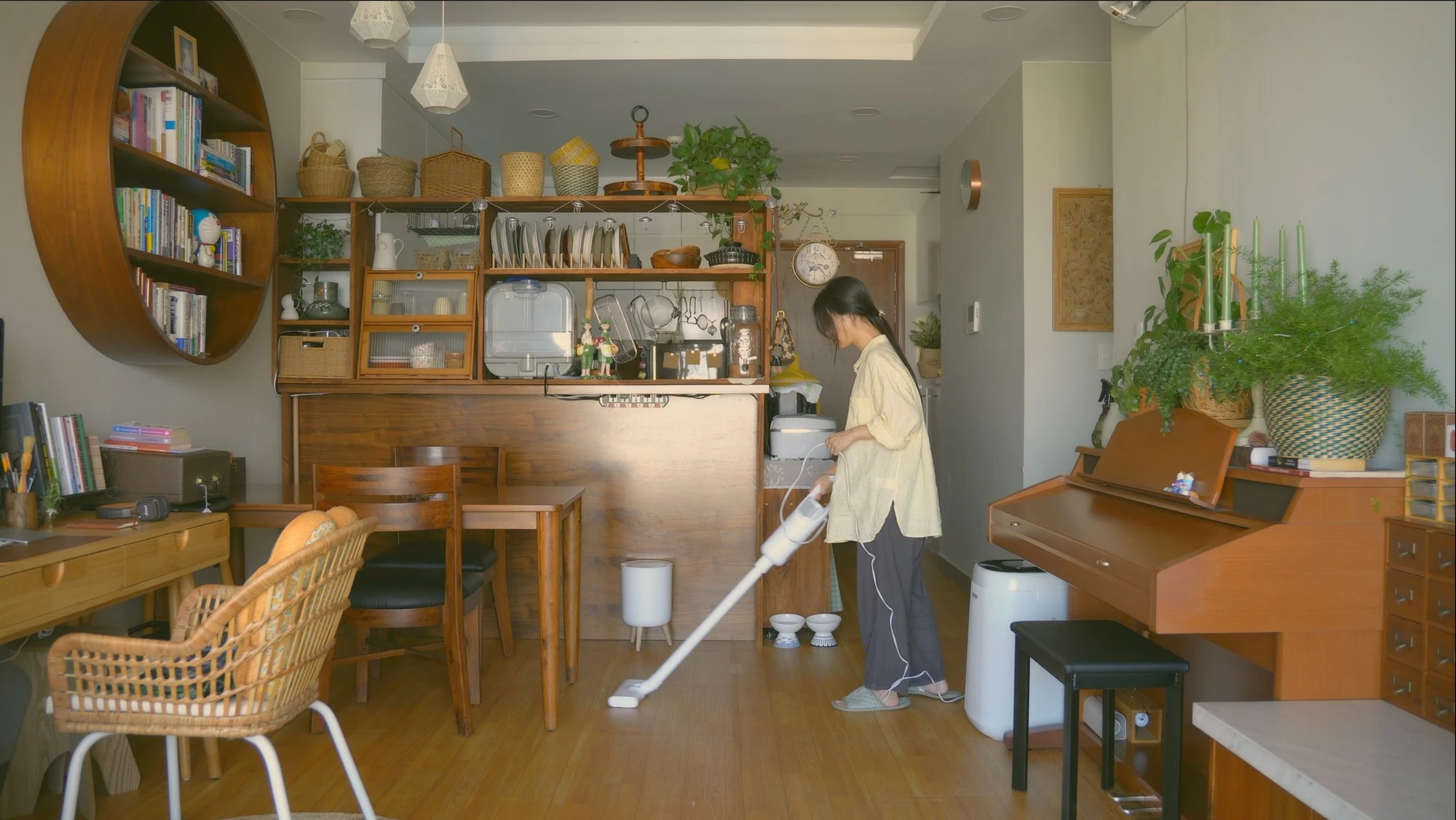
A nightly routine also creates a clear boundary between the day that is ending and the morning ahead. Instead of waking to yesterday’s dishes and scattered belongings, you begin with the most frequently used areas in reasonable order. This does not mean the entire home must be spotless every night. It means that the most noticeable and functional parts of the home receive regular attention.
It helps to distinguish three related tasks:
- Tidying means returning items to their usual places and restoring order.
- Cleaning means removing dirt, food residue, dust, or other messes.
- Decluttering means deciding what no longer belongs in the home and removing it.
An evening routine should focus mainly on tidying and light cleaning. Decluttering usually requires more time and decision-making, so it can be handled separately. Consistency matters more than completing every possible task. A short routine that you can repeat is more useful than an ambitious plan that leaves you exhausted after one evening.
The Essential 10-Minute Evening Tidy-Up
When time is limited, set a timer for 10 minutes and concentrate on the areas that affect tomorrow most. Keep moving rather than trying to make one room perfect. You can use a basket to collect items that belong elsewhere and return them after the main reset.
Start by returning misplaced items to their homes. Shoes should go to the entryway, toys to their storage area, paperwork to an appropriate folder, and personal items to the rooms where they are used. If an item does not have a clear home, place it in a temporary basket and make a note to decide where it belongs later.
Next, clear kitchen counters and dining surfaces. Load the dishwasher or wash the most important dishes by hand. Wipe areas where food was prepared, and check the floor for crumbs or spills. In the living room, put away books, remotes, games, and other entertainment items. Fold blankets and straighten cushions so the room looks ready for the following day.
Finish with a quick look at the entryway. Align shoes, hang bags, sort mail, and place keys in their usual spot. This small step can prevent a rushed search in the morning.

A Simple Room-by-Room Reset
A room-by-room approach is useful when several people are tidying at the same time or when you prefer a predictable sequence.
- Kitchen: Handle dishes, wipe counters, check the sink, and look for food or spills on the floor. Put ingredients and appliances away when possible.
- Living areas: Return entertainment items to storage, fold blankets, fluff cushions, and remove cups, wrappers, or other items that do not belong.
- Bedrooms: Place clothing in a hamper or closet, clear bedside surfaces, and return books, chargers, and personal items to their usual locations.
- Bathroom: Wipe the sink if it is visibly messy, return toiletries to storage, and hang towels so the room is ready for morning use.
- Entryway: Organize shoes, bags, mail, and keys. Prepare coats, backpacks, or work items needed the next day.
You do not need to complete every room every night. If time is short, prioritize the kitchen, main living area, and entryway because these spaces often receive the most daily traffic.
Tasks to Do Every Evening
A few tasks usually provide the greatest benefit in a nightly house cleaning routine. Choose the ones that match your household rather than treating the list as a strict rule.
- Clean up after dinner. Clear plates, store leftovers, load the dishwasher or wash dishes, and wipe the table and counters.
- Put away items used during the day. Books, toys, electronics, tools, and personal care items are easier to manage when returned promptly.
- Process loose papers. Recycle junk mail, place important documents in a designated spot, and handle school papers according to your household system.
- Take out trash when needed. Removing food waste can help prevent unpleasant odors and keeps the kitchen ready for the next day.
- Prepare essential items for morning. Set out clothing, gather bags, charge devices, and place keys where they can be found easily.
- Check high-traffic floors. Sweep or spot-clean areas with crumbs, dirt, pet hair, or visible spills instead of cleaning every floor each night.
Food-related messes deserve particular attention. Dried spills and forgotten leftovers often take more effort to clean later, so handling them in the evening can make future cleaning simpler.
A Weekly Evening Cleaning Schedule
After the daily reset, assign one modest maintenance task to each evening. This approach spreads weekly home maintenance across several days without turning every night into a deep-cleaning session. Adjust the order to suit your schedule, household, and home.

Monday: Kitchen Maintenance
Begin the week by giving the kitchen extra attention. Wipe appliance fronts, clean the sink, and check the refrigerator for leftovers that should be eaten, stored, or discarded. You can also wipe cabinet handles and inspect the pantry for items that need to be used soon. Keep the task focused; a complete kitchen deep clean is not necessary every Monday.
Tuesday: Bathrooms
Clean the sinks and mirrors, wipe frequently touched surfaces, and give the toilets a basic clean. Replace hand towels if needed and return toiletries to their storage locations. If there are multiple bathrooms, rotate them or focus on the one used most often rather than trying to clean every bathroom thoroughly on the same evening.
Wednesday: Bedrooms and Laundry
Use Wednesday to catch up on laundry and bedroom order. Fold clean clothes, put them away, and place worn items in hampers. Change bed linens as needed, clear bedside tables, and remove cups or other objects that have migrated into bedrooms. A few minutes of organization can make these rooms feel more settled without requiring a full bedroom cleaning.
Thursday: Floors and High-Traffic Areas
Vacuum or sweep entryways, kitchens, hallways, and other heavily used areas. Pay attention to visible dirt, crumbs, and pet hair rather than moving every piece of furniture. Spot-clean marks that are easy to address immediately. If your home has multiple floors, alternate areas from week to week.
Friday: Clutter Reset
Use Friday evening to return items to their proper places and prepare the home for the weekend. Empty temporary baskets, sort accumulated papers, clear dining and living surfaces, and check whether anything needs to be donated, repaired, or relocated. Keep decluttering decisions limited if you are tired. The goal is to create a comfortable starting point for the weekend, not to reorganize the entire home.
How to Adapt the Routine for Busy Households
Some evenings will be more demanding than others. On those nights, use a five-minute minimum. Focus on dishes, food-related messes, visible clutter, and anything needed the next morning. A short reset still protects the home from accumulating another full day of disorder.
Households can divide responsibilities in several ways. Assign tasks by room, age, preference, or available time. One person might handle dishes while another resets the living room. If responsibilities are shared, rotate less popular jobs so that one person does not permanently carry the most repetitive task.
Children can participate with simple, predictable jobs. Depending on their age, they may put away toys, clear their place at the table, sort laundry, match socks, return books, or place shoes by the door. A small number of clearly explained tasks is usually easier to maintain than a long list.
Baskets and drop zones can also make busy evenings more manageable. Place a basket near the stairs, hallway, or living room for items that belong elsewhere. This is a temporary collection method, not a substitute for putting things away. Empty the basket during the nightly reset or assign that task to a household member.

Tips for Staying Consistent
Attach the routine to an existing habit, such as finishing dinner, starting the children’s bedtime routine, or making the last cup of tea. A familiar cue makes the tidying period easier to remember.
Keep basic supplies accessible. A cloth and suitable surface cleaner near the kitchen, bathroom, or laundry area can remove unnecessary steps. Store supplies safely, especially in homes with young children or pets.
A written checklist or phone reminder can help during busy weeks. Keep it short enough to read quickly. For example, your basic checklist might include dishes, counters, misplaced items, living room, and morning preparation.
Stop when the scheduled time ends. The purpose of a 10-minute evening tidy-up is to create a sustainable habit, not to encourage an unplanned cleaning marathon. If you miss an evening, resume the next day with the highest-impact tasks. Avoid trying to compensate with an exhausting catch-up clean.
Customizing the Routine for Different Homes
Apartments may benefit from compact storage, clearly defined shared spaces, and quieter cleaning methods during late hours. Focus on the kitchen, bathroom, entryway, and any area used by several people. Use storage that makes everyday items easy to return without spreading them across limited floor space.
Larger homes do not need every room cleaned nightly. Prioritize high-use rooms and rotate less frequently used areas through the weekly schedule. Closing doors to rooms that are not part of the evening reset can also help keep the routine focused.
Homes with pets may need extra attention to food areas, litter boxes, fur, and outdoor messes. Include a quick check of pet supplies and high-traffic floors, but keep the task proportional to the actual mess. Pet-related cleaning can be added to the room where it occurs rather than treated as a separate major chore.
Families with young children often do best with short, predictable tasks and accessible storage. Bins without complicated lids, labeled shelves, and a consistent toy reset can make participation easier. The routine may take longer at first while children learn where items belong, but repetition helps establish the process.
Frequently Asked Questions
Which evening tasks have the greatest impact on keeping a house tidy?
Prioritize dishes, kitchen surfaces, misplaced items, visible clutter, and high-traffic floors. These tasks address messes that are noticeable, frequently used, or more difficult to handle after they sit overnight.
How long should an effective evening tidying routine take?
A practical routine can take 10 to 20 minutes, depending on the size of the home and number of household members. On especially busy nights, use a five-minute minimum focused on dishes, food messes, and items needed the next morning.
What should be cleaned or organized every night?
Handle food-related messes, dishes, frequently used surfaces, visible clutter, and items needed for the next morning. Other tasks, such as detailed dusting or cleaning every floor, can be assigned to the weekly schedule.
How can the routine be adapted for busy weekdays?
Use a short priority checklist and assign only one optional maintenance task per evening. If the day has been unusually demanding, complete the minimum reset and leave nonessential work for another time.
How should household members divide evening tidying tasks?
Assign tasks by room, time available, or personal preference, and rotate chores that people are less likely to enjoy. Clear ownership helps prevent everyone from assuming that someone else will handle the task.
How can children participate in an evening tidying routine?
Give children simple, repeatable jobs such as putting away toys, sorting laundry, clearing dishes, returning books, or placing shoes in the entryway. Match the task to the child’s abilities and keep instructions consistent.
What is the difference between tidying, cleaning, and decluttering?
Tidying restores order, cleaning removes dirt and residue, and decluttering reduces the number of possessions in a space. An evening routine should mainly cover tidying and light cleaning, while decluttering can be handled during a separate session.
What should you do if you miss one or more evenings?
Restart with the highest-impact tasks instead of attempting an exhausting catch-up clean. Clear dishes, address food messes, remove visible clutter, and prepare for the next morning. Then continue with the regular routine.
How can the routine work in apartments, larger homes, or homes with pets?
Adapt the checklist to the home’s size, layout, traffic patterns, storage, and pet-related messes. Apartments may emphasize shared spaces and compact storage, larger homes may rotate rooms, and pet owners may add fur, food-area, or litter checks.
A More Manageable Way to Keep Your Home Tidy
A tidy home is usually maintained through ordinary actions repeated often, not through occasional bursts of exhausting effort. Choose a few high-impact tasks, set a realistic time limit, and involve other household members where possible. Whether your routine lasts five minutes or twenty, flexibility makes it easier to continue.
Start with tonight’s dishes, visible clutter, and tomorrow’s essentials. Once those habits feel natural, add one small maintenance task to selected evenings. Over time, this simple evening cleaning routine can help your home stay orderly throughout the week without demanding perfection.