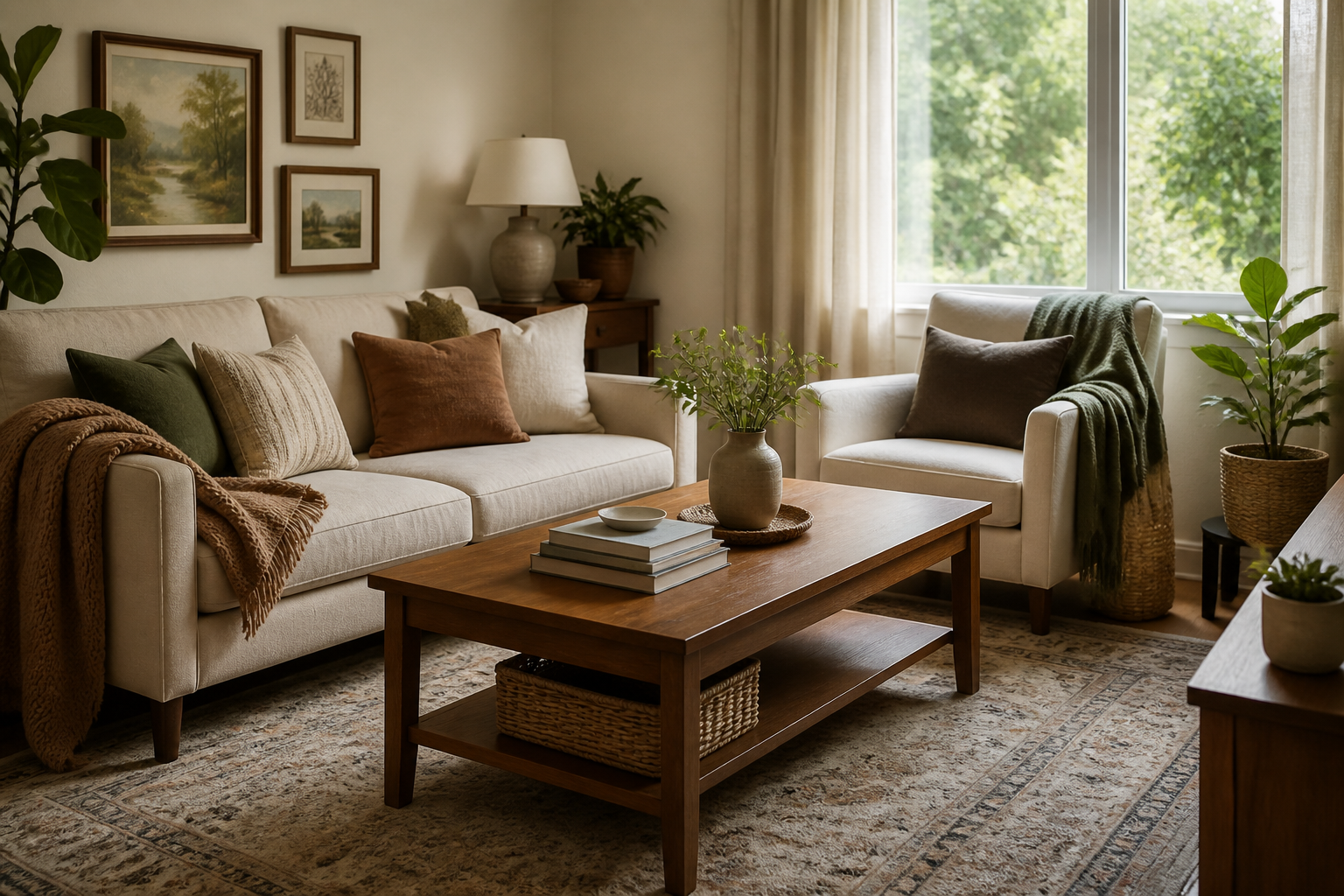
A home can feel noticeably different without a shopping trip. Often, the biggest changes come from clearing visual clutter, improving the flow of a room, and giving familiar objects a more intentional place. If your rooms feel tired, crowded, or disconnected, you may already have everything needed for a simple refresh.
These practical ideas will help you freshen up your home without buying new decor. They work for homeowners and renters alike, and they support a more sustainable approach to decorating by making better use of what you already own.
Start with a Quick Decluttering Reset
Before moving furniture or styling shelves, remove the items that make a room feel busy. Clutter can distract from the features you actually enjoy, including artwork, plants, architectural details, and natural light.
Begin with one room, one corner, or even one surface. Clear a coffee table, entryway console, kitchen counter, or bedside table completely. Sort everything into three simple groups:
- Items that belong in the room
- Items that belong somewhere else
- Items that are no longer useful, needed, or wanted
Return necessary items to their proper places, then remove anything that does not serve the space. Pay particular attention to visible piles, unused containers, tangled cords, duplicate objects, and belongings that have gradually collected near doorways or on chairs.
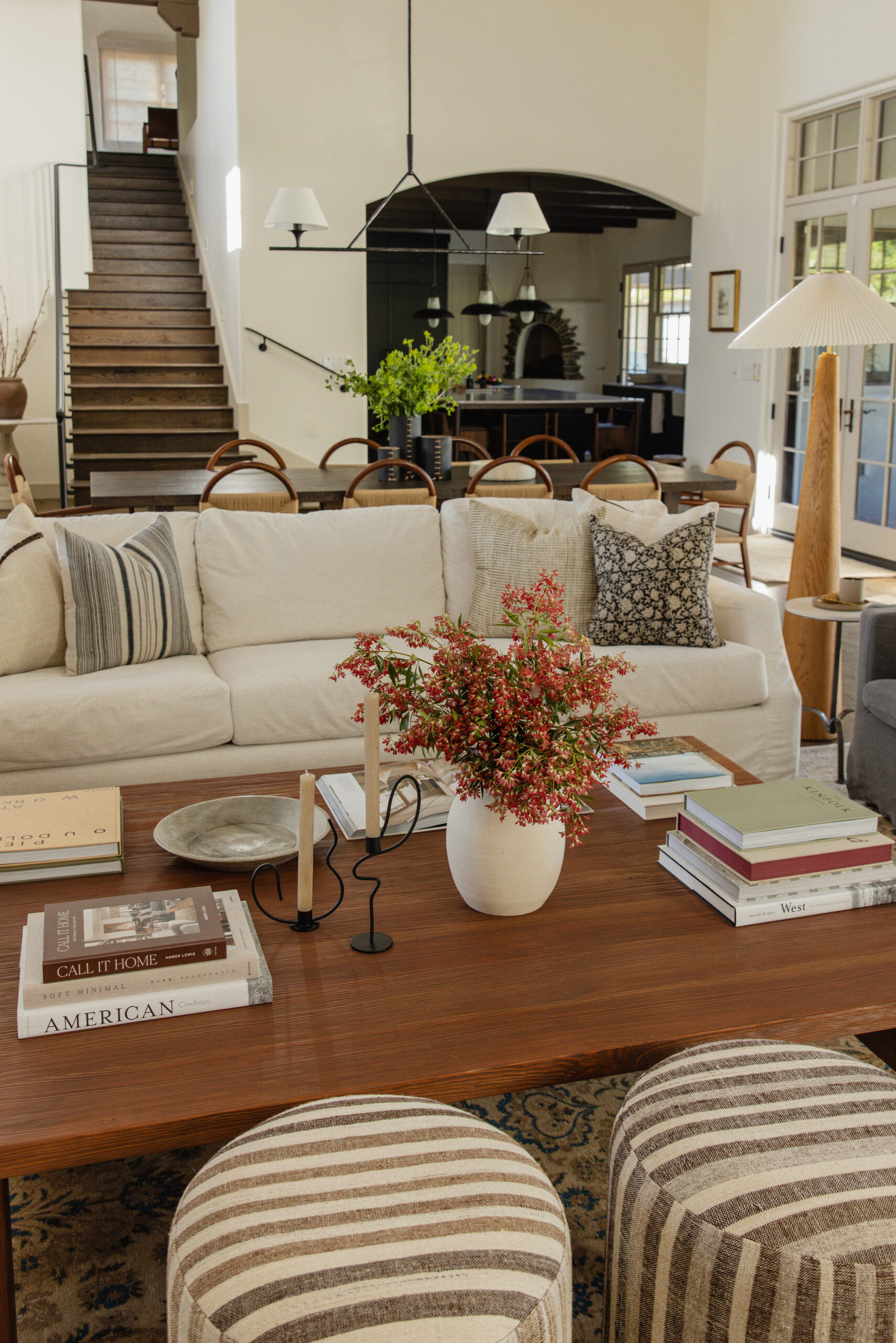
You do not need to declutter the entire home in one day. A one-surface-at-a-time approach keeps the process manageable and gives you quick results. Once a surface is clear, clean it before deciding what should return. Leaving some open space can make the room feel calmer and allow favorite objects to stand out.
Rearrange Furniture to Change the Room’s Flow
Furniture placement has a strong effect on how a room feels and functions. Moving a sofa, chair, table, or bed can create a fresh layout without changing the furniture itself.
Start by considering how people naturally move through the room. Keep doorways, hallways, and main walking paths clear. Avoid placing large pieces where they block windows or reduce access to storage. In a living room, arrange seating so conversation feels easy rather than pointing every chair toward a wall or television by default.
You can also experiment with a new focal point. A window, fireplace, bookshelf, large artwork, or attractive architectural feature may deserve more attention than it currently receives. Try turning seating toward that feature, if the room allows it.
For a simple no-buy home makeover, take a photograph of the original arrangement before moving anything. Test one layout, photograph it, and compare the result. A picture often makes it easier to notice blocked pathways, awkward gaps, or an arrangement that looks unbalanced from across the room.
Do not feel obligated to use every piece of furniture in the same room. Temporarily moving a side table or extra chair to another space may make both rooms feel less crowded and more useful.
Restyle the Decor You Already Own
Decor does not have to stay in the room where you first placed it. Artwork, mirrors, lamps, vases, baskets, framed photographs, and decorative objects can often work in different parts of the home.
Move a small piece of artwork from a bedroom to an entryway. Try a lamp on another table. Place a mirror where it can reflect daylight instead of facing a blank wall. A basket used for blankets in the living room might become useful for towels, toys, or extra linens elsewhere.
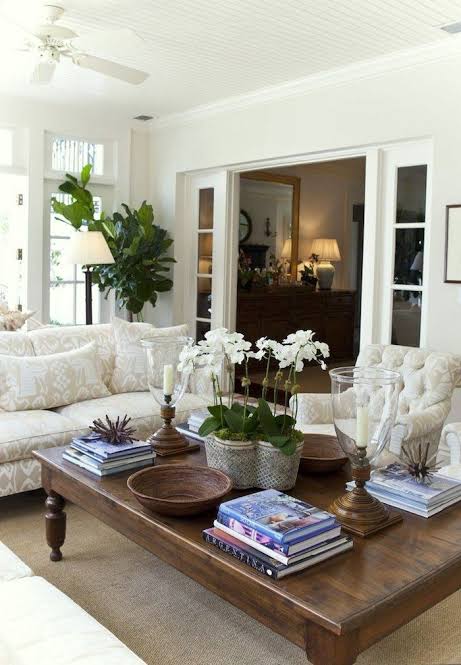
When arranging accessories, create small groupings rather than scattering objects evenly across every surface. Group items by a shared quality, such as color, material, height, or function. For example, a few books, a ceramic object, and a small plant can form a simple arrangement on a table or shelf.
Vary the height of objects to keep a display from looking flat. At the same time, leave some empty space around the grouping. A crowded shelf can make even attractive pieces lose their visual impact.
Another effective approach is to rotate items that are stored away. Seasonal decorations, framed prints, travel souvenirs, or favorite books do not all need to be displayed at once. A smaller selection can make familiar items feel more noticeable when they return.
Use Textiles, Lighting, and Color Differently
Textiles can change the mood of a room quickly. Look for opportunities to swap cushions, throws, bedding, curtains, table linens, or rugs between rooms, provided the sizes and colors work. A blanket from a bedroom may add warmth to a reading chair, while a table runner could be repurposed as a narrow shelf accent.
Layering textiles can also make a room feel more comfortable. Fold a throw over the arm of a sofa rather than leaving it in a pile. Place cushions in a slightly different arrangement, or fold a blanket at the foot of the bed. Small changes in texture and placement can make a familiar space feel more considered.
Lighting deserves attention during any budget-friendly home refresh. Clean dust from lampshades and light fixtures, open curtains fully, and move furniture that is blocking a window. Try repositioning lamps so dark corners receive more light. If you have several lamps, test which combinations make the room feel comfortable in the morning, afternoon, and evening.
You can also create a more intentional color scheme using objects already in your home. Gather books, textiles, ceramics, artwork, or accessories that share a color family, then place a few of them together. Repeating one or two colors in different textures can make a room feel more coordinated without adding anything new.
Repurpose Everyday Items as Home Accents
Many useful household items can double as simple decor when they are arranged neatly. Books, baskets, trays, cutting boards, glassware, ceramics, and attractive storage containers can add character while serving a practical purpose.
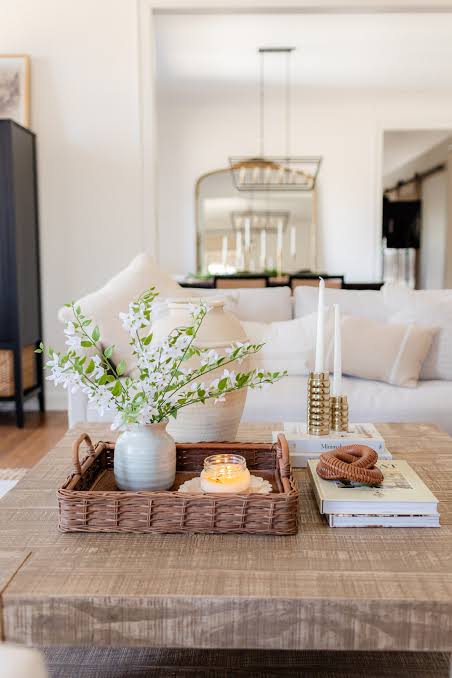
A tray can organize a coffee table, entryway, bathroom counter, or dresser. Instead of several loose items spreading across a surface, place a small group inside the tray. This makes the arrangement easier to move and gives everyday belongings a defined boundary.
Stack a few books beneath a lamp or decorative object to add height. Display a collection of wooden cutting boards against a kitchen backsplash, or arrange clean glassware on an open shelf. A basket can hold blankets, magazines, children’s items, or pet supplies while keeping them within reach.
Unused containers may also become organizers or planters if they are clean, watertight, and suitable for the purpose. Before repurposing anything, consider whether it will genuinely improve organization. Adding objects simply because they look decorative can create more clutter rather than a better room.
Create a New Focal Point with What You Have
A focal point gives the eye a place to rest and helps a room feel organized. You can create one from existing belongings by styling a mantel, shelf, console, dining table, or empty wall.
For a simple gallery arrangement, gather framed art, family photographs, postcards, children’s drawings, or meaningful cards. Lay the pieces on the floor first and test different groupings. You might arrange them in a neat grid, a horizontal line, or an informal cluster. Keeping a consistent gap between frames can help the display look deliberate.
On a shelf or console, combine objects with different heights and shapes. Place the tallest item toward the back or slightly to one side, then balance it with lower pieces. Symmetry can create a tidy appearance, while an asymmetrical arrangement may feel more relaxed. In either case, empty space is useful because it prevents the display from becoming visually heavy.
You can also draw attention to a window, houseplant, bookshelf, fireplace, or meaningful collection. Sometimes the best focal point is already present but hidden by excess furniture or too many accessories.
No-Buy Refresh Ideas for Small Spaces
Small rooms benefit from restraint. Start by clearing floors, windowsills, and the tops of furniture. Open pathways can make a compact space easier to use and less visually crowded.
Use furniture that can serve more than one purpose. A stool may work as seating, a bedside table, or a plant stand. A basket can provide storage while contributing texture. A dining table may double as a work surface, so keeping it clear at the end of the day can make the room feel more flexible.
Mirrors and light-colored items already in your home can help a small area feel brighter when placed thoughtfully. Position a mirror where it reflects a window or another light source, rather than facing a cluttered corner. Avoid filling every open area with accessories. In a small space, one well-placed display can have more impact than several crowded ones.
When rearranging, measure visually rather than forcing a particular layout. Keep furniture away from main paths, allow drawers and doors to open fully, and make sure the room remains comfortable to use.
Maintain the Freshened-Up Look
A refreshed home is easier to maintain when every item has a practical place. Set aside a few minutes each week to return belongings, clear surfaces, and remove items that have migrated into the wrong room.
It can also help to keep a small container for things that need to be relocated. Carrying the container through the house once or twice a day is often more efficient than making repeated trips for individual items.
Rotate decor occasionally instead of constantly changing the room. A seasonal review is a good time to put away pieces that no longer suit the current weather or household routine, check whether storage areas have become crowded, and reconsider furniture that is not being used.
The goal is not to make your home look like a showroom. Comfort, function, and personal meaning matter more than constant visual change. A room feels inviting when it supports daily life and includes objects that are useful or genuinely enjoyable to see.
Frequently Asked Questions
How can I make my home look refreshed without buying anything?
Start by decluttering visible surfaces, cleaning high-use areas, and improving the room’s lighting. Then rearrange furniture, move decor between rooms, rotate stored items, and create a more intentional display with what you already own.
What furniture rearrangements can make a room feel new?
Try changing the focal point, repositioning seating for easier conversation, and improving the walking paths through the room. Move furniture away from windows and doorways, and test alternate layouts with before-and-after photographs.
How can I restyle decor I already own?
Move artwork, mirrors, lamps, baskets, and accessories to different rooms. Group items by color, material, height, or function, and remove excess pieces so your favorite objects have more visual space.
What should I declutter to improve a room’s appearance?
Begin with crowded surfaces, duplicate objects, unused containers, tangled cords, stray paperwork, and items blocking light or movement. Work on one room or one surface at a time instead of trying to manage the entire home at once.
How can I use textiles, lighting, and color differently without shopping?
Swap cushions, throws, bedding, rugs, or table linens between rooms when practical. Clean fixtures, open curtains, reposition lamps, and group existing objects that share related colors to create a more unified look.
What are easy ways to create a new focal point in a room?
Highlight existing artwork, a window, a bookshelf, a plant, a fireplace, or a meaningful collection. You can also style a console, mantel, shelf, or dining table using varied heights, balanced groupings, and plenty of empty space.
How can I repurpose existing household items as decor?
Use books to add height, trays to contain small items, baskets for attractive storage, ceramics for display, and suitable containers as organizers or planters. Keep each repurposed item useful and avoid adding unnecessary visual clutter.
How often should I refresh or rearrange my home?
Use a short weekly reset for clutter and misplaced items, then make larger changes when your routines or seasons change. There is no fixed schedule; refresh a room when its layout or displays no longer support how you use it.
What no-buy decorating ideas work best for small spaces?
Clear surfaces and pathways, use multipurpose furniture, maximize available light, and limit accessories to a few useful or meaningful pieces. A less crowded layout usually makes a small room feel more comfortable.
How can I make my home feel more inviting using only what I already have?
Improve lighting, arrange seating for comfort, display personal items, remove clutter, and make the layout easy to navigate. Even a freshly cleared table, a repositioned lamp, or a better seating arrangement can change how a room feels.
A Simple One-Room Action Plan
Choose one room today and give it a focused reset. Remove visible clutter, clean one or two high-impact surfaces, and move one piece of furniture to improve the flow. Restyle a small grouping using existing books, textiles, artwork, or household objects. Finally, step back and notice what feels brighter, calmer, or easier to use.
Freshening up your home without buying new decor is less about creating a dramatic makeover and more about seeing familiar belongings differently. With a little editing, rearranging, and thoughtful styling, your home can feel renewed while remaining practical, personal, and budget-friendly.