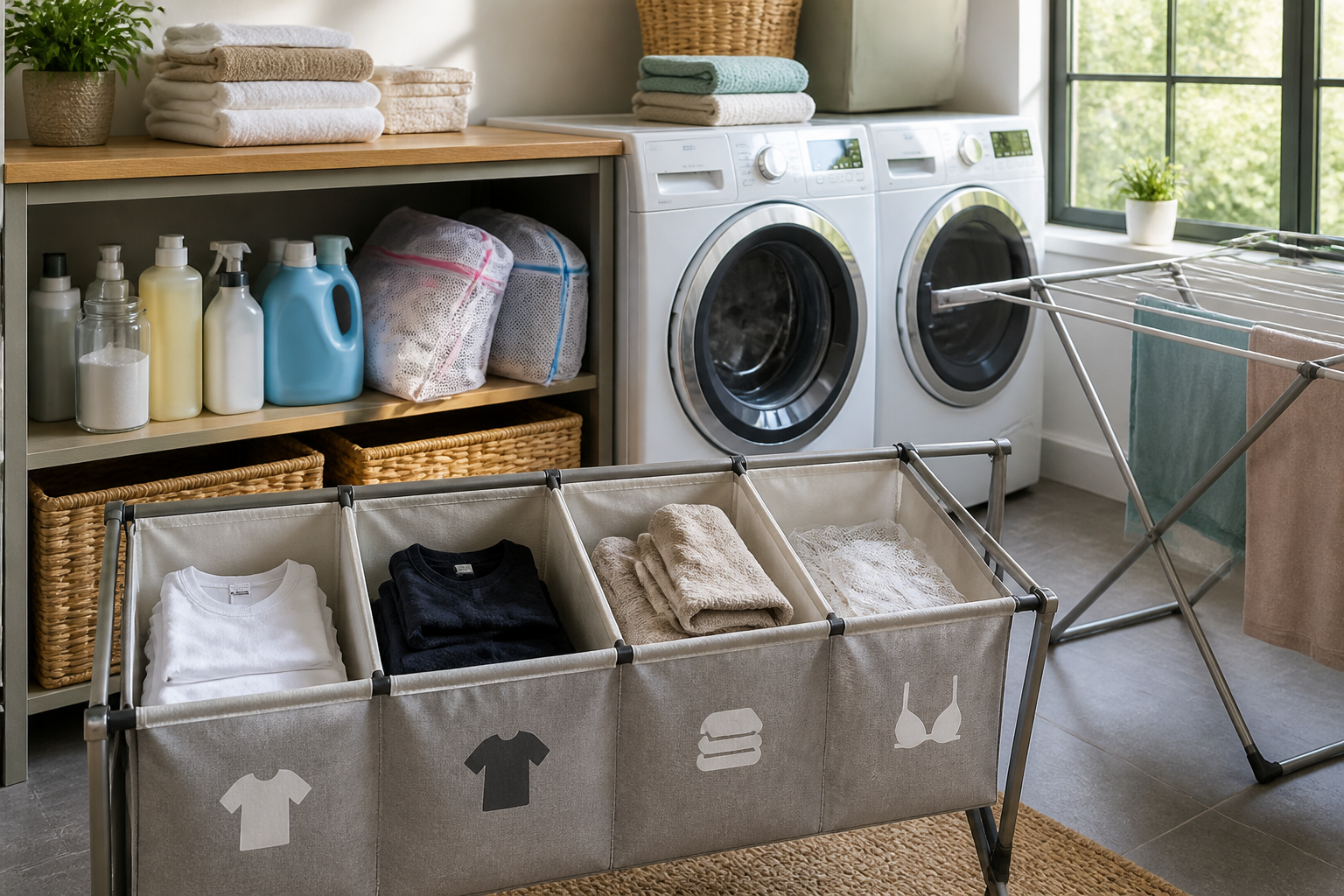
Laundry becomes frustrating when every load starts with sorting, searching for supplies, guessing detergent amounts, and deciding what can safely go in the dryer. The good news is that a few practical changes can make the entire process more predictable. These smart laundry hacks help busy households spend less time handling clothes, reduce avoidable costs, protect fabrics, and prevent common mistakes.
An efficient laundry routine does not require expensive gadgets or complicated systems. It usually depends on small habits: sorting clothes before laundry day, choosing suitable cycles, measuring supplies, and dealing with garments promptly after washing and drying. The best approach is one that fits your household, your machines, and the care instructions on your clothing.
Set Up a Faster, More Organized Laundry Routine
Organization saves time before the washing machine is even turned on. Instead of allowing all clothing to collect in one large hamper, create a simple sorting system that matches the types of loads you regularly wash.
A divided hamper can separate lights, darks, towels, and delicate items. If space is limited, use labeled laundry bags or smaller baskets inside one larger hamper. Students and first-time renters may only need two categories, such as everyday clothes and towels. Families may benefit from additional sections for children’s clothing, heavily soiled items, or garments that require special care.
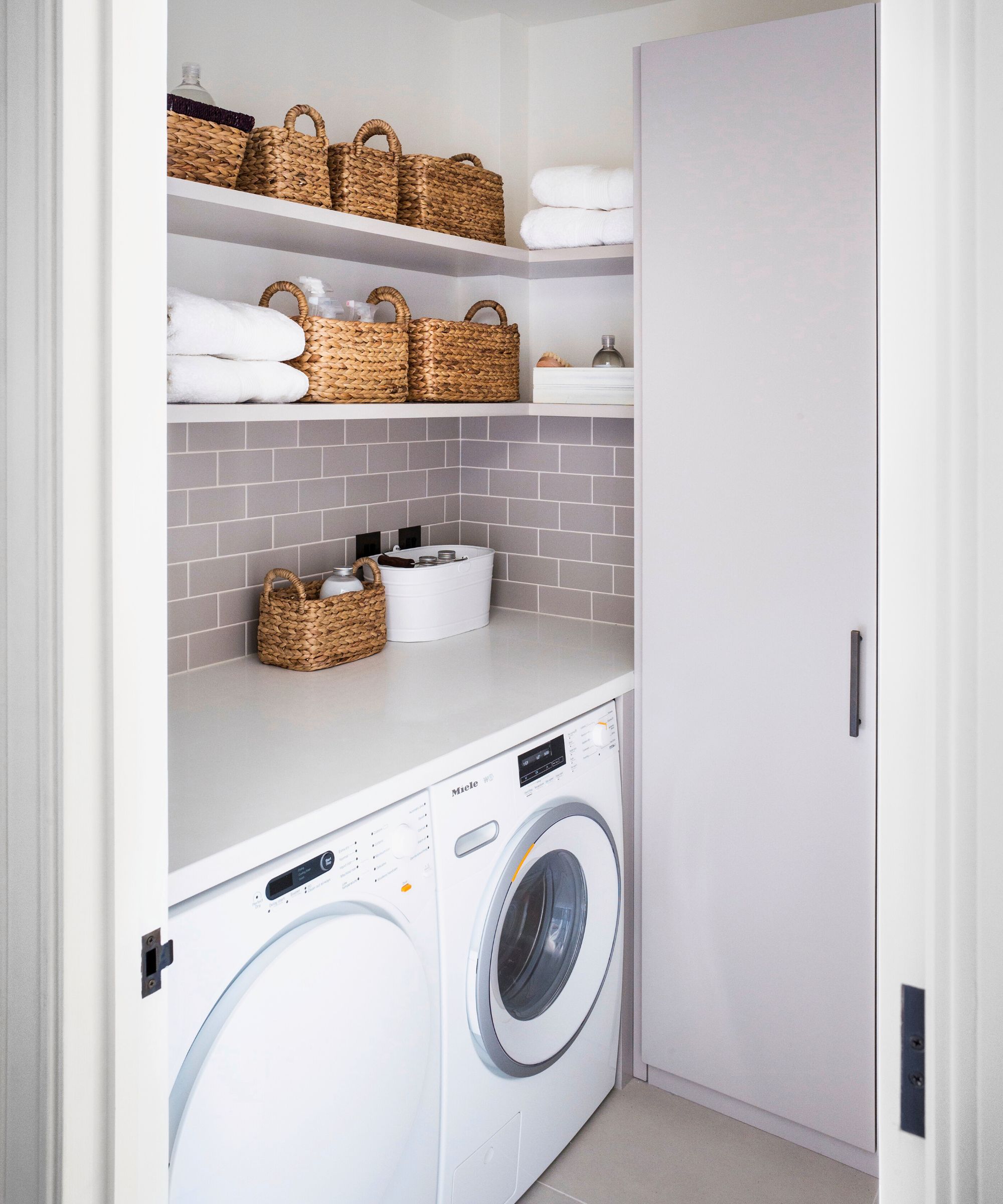
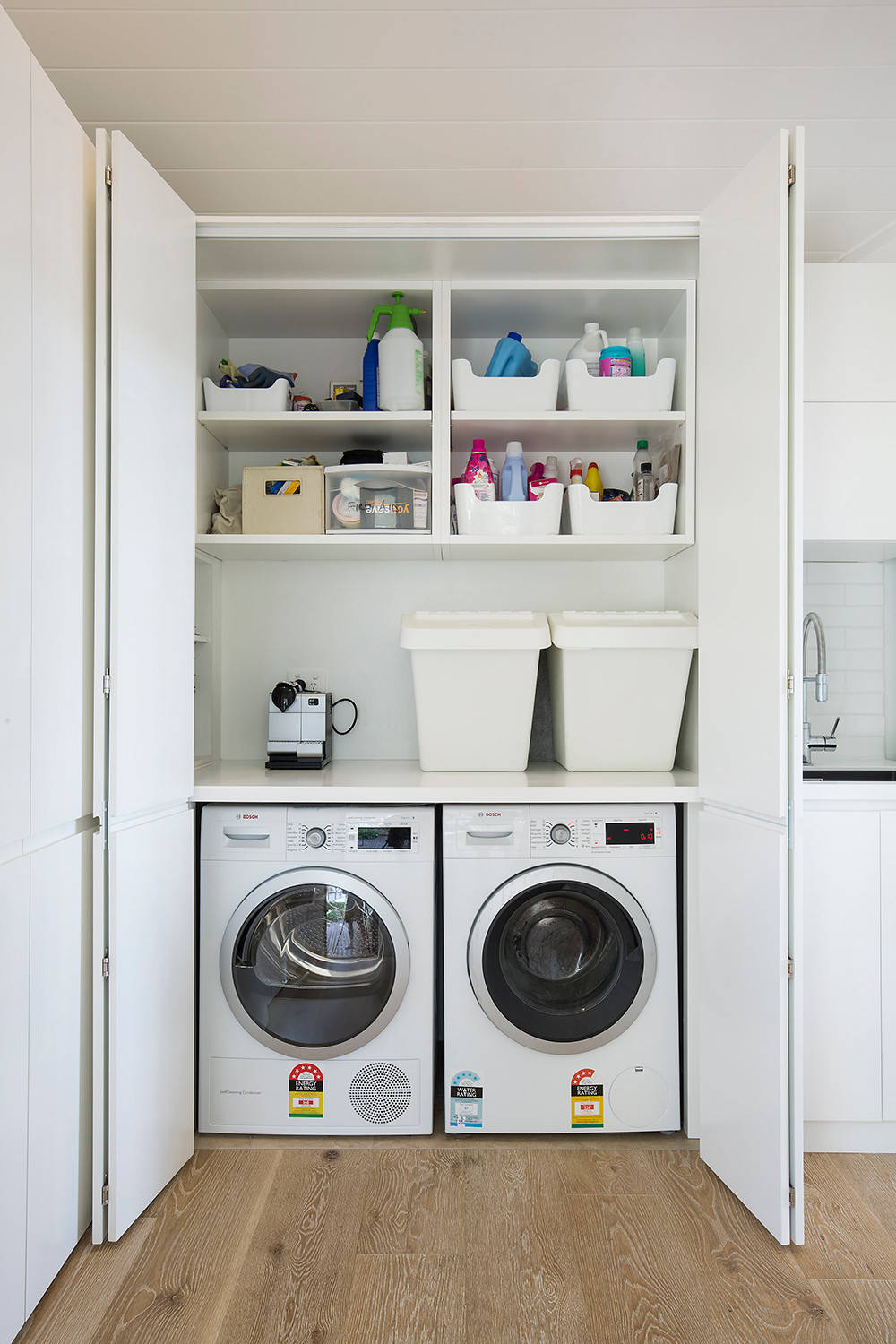
Keep detergent, stain remover, mesh bags, measuring tools, and laundry labels in one designated place. A shelf, cabinet, or portable caddy can prevent the repeated search for supplies. Store products securely and follow the manufacturer’s instructions. Never mix cleaning products unless the label specifically says they are compatible.
Sorting as clothes are removed prevents one of the biggest laundry delays: standing over a pile and deciding what belongs together. Ask household members to place items in the correct section immediately. This simple step turns laundry day into a loading task rather than a sorting project.
It also helps to create a schedule based on actual demand. A small household might need one or two laundry days each week, while a family with children may need shorter, more frequent sessions. A realistic schedule is easier to maintain than waiting until every hamper is overflowing.
Smart Laundry Hacks for Saving Time
Combine Loads Carefully
Running fewer loads can save time, but combining everything together is not always a good idea. Wash compatible colors, fabrics, and care requirements in the same load. For example, everyday cotton T-shirts and casual pants may be suitable together if their labels allow the same temperature and cycle. Towels, heavy denim, delicate garments, and lint-producing fabrics often work better in separate loads.
A full load is generally more efficient than several small loads, but overloading prevents clothing from moving freely. Clothes may not rinse properly, and the machine can become strained. Use the guidance in your washer’s manual, and leave enough room for items to circulate rather than packing them tightly.
Choose the shortest appropriate cycle instead of automatically selecting the longest or hottest option. Lightly worn clothing may not need the same treatment as workout clothes, towels, or heavily soiled items. The correct cycle depends on the garment labels, the soil level, and your machine’s design.
Make Drying More Efficient
Before clothes enter the dryer, use the washer’s highest suitable spin setting. A faster spin can remove more water, but delicate fabrics may require a gentler setting. Check care labels and avoid treating every garment as if it were a heavy towel.
Do not overload the dryer. A crowded drum restricts airflow and can leave clothes damp, which leads to another cycle and additional energy use. Separate very heavy items from lightweight garments when practical so that everything has a better chance of drying evenly.
Remove clothing as soon as the cycle ends, particularly shirts, trousers, and other items that wrinkle easily. Shake each piece out before folding or hanging it. This takes only a few minutes and can reduce the need for ironing or rewashing clothes that were left in a crumpled pile.
Reduce Folding and Sorting Time
Place a folding surface, drying rack, or hanger near the dryer. Handling clothes immediately is easier when you do not need to carry a warm, unstable pile across the home. Hang items that wrinkle easily and fold basics such as towels, pajamas, and T-shirts as you remove them.
Families can divide the work by assigning each person a simple responsibility. One person may load the washer, another may transfer clothes to the dryer, and each household member can put away their own items. Young children can help match socks or sort clean clothing, provided products and machines remain out of reach when necessary.
Frequently used clothing can sometimes go directly from the dryer to an organized drawer or closet section. This is especially useful for uniforms, workout clothes, or children’s everyday outfits. The goal is not to skip care, but to eliminate unnecessary handling.
Money-Saving Laundry Tips
Detergent is not improved by guesswork. Using more than the recommended amount can leave residue, make rinsing harder, and increase household spending. Measure liquid detergent, use the correct line on a cap, and follow the instructions for your machine and water conditions. High-efficiency washers typically require detergent labeled for HE machines.
Cold water is suitable for many everyday loads and can reduce the energy needed to heat water. However, follow care labels and consider the load’s needs. Some heavily soiled items, bedding, or sanitizing situations may require a different temperature or product according to the garment and machine instructions.
Run full, balanced loads rather than several small loads whenever possible. A balanced load helps the washer operate properly and avoids the cost of repeated cycles. At the same time, “full” should never mean tightly compressed. Clothing needs room to move through water and detergent.
Air-dry suitable items on a rack, clothesline, or sturdy hanger. Lightweight shirts, athletic wear, and some casual garments may dry effectively without using a tumble dryer. Keep the rack in a well-ventilated area, and avoid placing damp clothing where it cannot dry fully. Items that remain damp for too long can develop an unpleasant smell.
Machine maintenance is another form of money-saving laundry advice. Clean the lint filter after every dryer load, inspect the vent according to the manufacturer’s guidance, and keep the washer’s dispenser, door seal, and filter clean. Check hoses and connections periodically for wear or leaks. Proper maintenance supports safe operation and can help prevent avoidable service problems.
Reusable products can be worthwhile when they genuinely suit your routine. A durable drying rack, washable stain cloths, or reusable mesh bags may provide value over time. Avoid buying specialized products simply because they promise a shortcut. The most useful tools are the ones you will use consistently.
Prevent Common Laundry Mistakes and Frustrations
Treat Stains Before Washing
Stains are usually easier to address before a garment goes through heat. Blot or gently remove excess material, then follow the care label and the stain remover’s directions. Avoid aggressive scrubbing that could spread the stain or damage the fibers.
Test a new stain-removal product on an inconspicuous area first, especially on dark, bright, delicate, or specialty fabrics. Do not place a stained item in a hot dryer until you have checked whether the stain has been removed. Heat can make some stains more difficult to treat.
Different stains may require different approaches, so there is no single product that is ideal for every situation. If a care label recommends professional cleaning, follow that instruction rather than experimenting with household methods.
Protect Clothing
Check pockets before washing. Pens, tissues, coins, lip balm, and other objects can damage clothing or create messes inside the washer and dryer. Close zippers to protect other items, but consider leaving delicate buttons or fasteners handled according to the garment’s instructions.
Turn printed shirts, dark garments, and some delicate items inside out when the care label allows it. This can reduce surface rubbing during washing and help preserve the appearance of printed designs. Place small or fragile items in mesh bags, but do not overload the bags.
Excessive heat can contribute to shrinking, fading, elastic damage, and fabric wear. Use lower heat when appropriate, and air-dry garments that specifically warn against tumble drying. When in doubt, read the label rather than relying on habit.
Avoid Washer and Dryer Problems
Overloading is one of the most common laundry mistakes. It can affect cleaning, rinsing, spinning, and drying. If the machine struggles to balance or clothing consistently comes out wet, review the load size and distribution.
Use detergent made for your machine type and avoid adding products that the manufacturer does not recommend. Clean the lint filter after each dryer load, and keep the area around the machines clear. Inspect the washer door seal for trapped debris and wipe it as needed, especially on front-loading models.
If you notice unusual noises, persistent leaks, burning smells, or repeated drainage problems, stop using the machine and consult the manual or a qualified technician. A shortcut is not worthwhile if it creates a safety risk or causes expensive damage.
Laundry Tools and Shortcuts Worth Trying
A few basic tools can make laundry organization easier:
- Sorting hampers: Separate loads as clothes are removed.
- Mesh laundry bags: Protect small, delicate, or easily tangled items.
- Drying racks: Reduce dryer use for suitable garments.
- Stain brushes or cloths: Support careful pre-treatment when appropriate.
- Hangers near the dryer: Make it easier to prevent wrinkles.
- A supply checklist: Helps you replace detergent, bags, and stain products before they run out.
Dryer balls may help separate some items during tumbling, but they are not a substitute for correct load sizes, proper maintenance, or fabric-care instructions. Choose tools based on a clear problem. If a product does not save time, protect clothing, or make the routine easier, it may not deserve space in your laundry area.
Build a Frustration-Free Laundry System
The most effective laundry system is not necessarily the most elaborate one. Match your routine to your household size, available machines, storage space, and clothing needs. A person living alone may prefer one scheduled laundry block, while a larger family may need a rotating plan for everyday clothes, towels, and bedding.
Use labels, reminders, or a shared calendar if several people handle laundry. Assign clear responsibilities rather than assuming someone will notice that a load needs transferring. Even a short message such as “washer finished” can prevent damp clothes from sitting for hours.
Pay attention to the steps that create the most delay. If sorting is the problem, improve the hamper system. If folding is the problem, add a nearby surface. If clothes are often forgotten in the washer, set a phone reminder. Small adjustments are more likely to last when they solve a specific inconvenience.
These smart laundry hacks work best when applied consistently: sort early, choose efficient loads, measure supplies, protect fabrics, maintain machines, and use a schedule that reflects real demand. Laundry may never become a favorite chore, but it can become faster, more affordable, and far less frustrating.
Frequently Asked Questions
Which laundry hacks save the most time?
Pre-sorting clothes, running balanced loads, choosing the shortest suitable cycle, and folding or hanging items immediately after drying usually provide the biggest time savings. Keeping supplies together also prevents delays between steps.
How can laundry costs be reduced without sacrificing cleanliness?
Measure detergent, wash suitable loads in cold water, run full but not overloaded machines, air-dry appropriate items, and maintain washer and dryer parts. Always follow garment labels and machine instructions when choosing temperatures and cycles.
What are the best ways to organize laundry?
Use labeled or divided hampers, keep supplies in one central location, and establish recurring laundry days. The categories should reflect your household rather than create unnecessary sorting work.
How can common laundry mistakes be avoided?
Read care labels, check pockets, close zippers, treat stains early, avoid overloading, and choose appropriate temperatures. If you are unsure about a fabric, use the gentler option recommended by the label.
Which household tools make laundry easier?
Sorting hampers, mesh bags, drying racks, stain brushes, nearby hangers, and clean lint filters are practical choices. Select tools that solve a repeated problem and fit your available space.
How can families create a manageable laundry schedule?
Estimate how many loads the household produces each week, divide responsibilities, and choose recurring days based on actual demand. Smaller, predictable laundry sessions may be easier to manage than one overwhelming laundry day.
Do these laundry hacks work with different fabrics and washing machines?
Most of the organizational and scheduling ideas work broadly, but washing and drying settings vary. Follow garment labels and machine instructions, especially for wool, silk, stretch fabrics, waterproof items, and specialty cycles.
How can laundry habits help clothes last longer?
Use gentler cycles when suitable, cooler temperatures, lower dryer heat, prompt stain treatment, mesh bags for delicate items, and proper storage. Avoid repeated washing or drying at settings that exceed the garment’s care instructions.