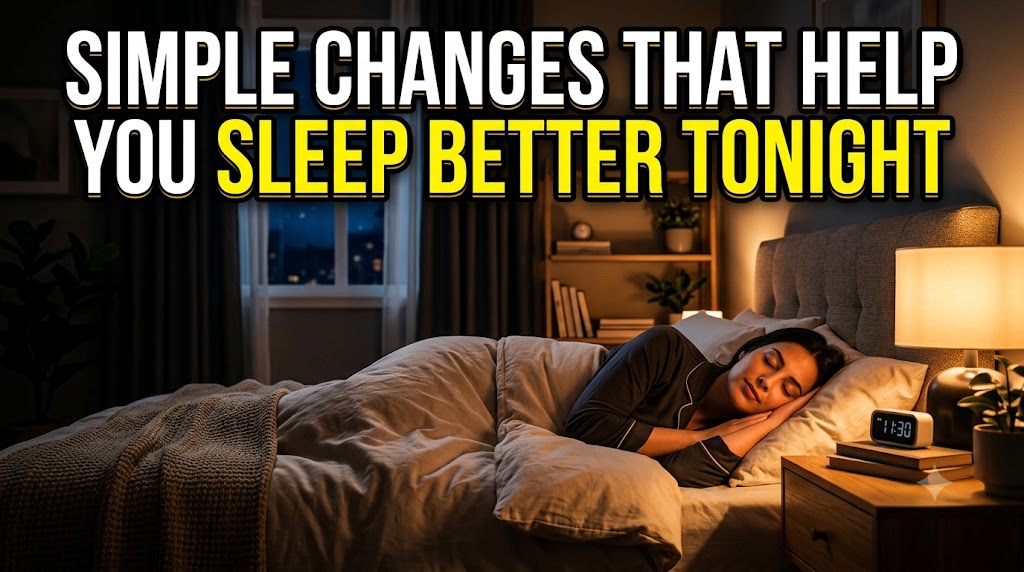
A restless night can make the next day feel harder than it needs to be. Fortunately, you do not always need a complicated routine or specialized products to sleep better tonight. A few practical adjustments to your bedroom, evening habits, and approach to bedtime may help your body and mind shift into a more restful state.
These suggestions are intended for occasional difficulty falling or staying asleep. Try one or two changes rather than attempting to overhaul your entire evening at once. Small, repeatable steps are often easier to maintain and more useful than an elaborate routine that feels difficult to follow.
Create a Calmer Sleep Environment
Your bedroom can either support sleep or keep your attention active. Before getting into bed, make the space as comfortable and distraction-free as possible.
- Keep the room cool. A slightly cool bedroom is often more comfortable for sleep than a warm, stuffy one. Adjust the thermostat, use a fan if you like the sound, or choose lighter bedding if you tend to overheat.
- Reduce unnecessary light. Turn off bright lamps, cover small indicator lights, and close curtains or blinds. If complete darkness is not practical, use a soft, low-level light rather than a bright overhead fixture.
- Limit disruptive sounds. Silence phone alerts, close windows if outside noise is bothersome, or use steady background sound to mask occasional disturbances. Avoid audio that is dramatic, unpredictable, or likely to hold your attention.
- Make the bed inviting. Adjust pillows and blankets so your body feels supported. You do not need an expensive mattress or a perfectly designed bedroom; basic comfort and a tidy sleeping area can be enough to make bedtime feel more relaxing.
It can also help to reserve your bed primarily for sleep and quiet rest. Working, watching intense shows, or scrolling for long periods in bed may make it harder to associate the space with winding down.

Adjust Your Evening Routine for Better Sleep Tonight
A short, predictable wind-down period gives you a transition between daytime responsibilities and sleep. It does not need to last an hour. Even 20 to 30 minutes of quieter activity can create a useful pause.
Start by dimming the lights and choosing something low-key. You might take a warm shower, prepare clothes for the morning, stretch gently, read a few pages of a book, or listen to calm music. Repeating the same sequence most nights can make it easier to recognize when it is time to slow down.
Several common evening habits can interfere with sleep:
- Caffeine: Coffee, tea, energy drinks, soda, and some supplements can remain stimulating for hours. If you are sensitive to caffeine, avoid it later in the day.
- Nicotine: Nicotine is stimulating and may make it more difficult to relax close to bedtime.
- Alcohol: Alcohol may make some people feel sleepy at first, but it can contribute to lighter or more disrupted sleep later in the night.
- Heavy meals: A large, rich, or spicy meal shortly before bed may cause discomfort. If you are hungry, a small, familiar snack may be easier to tolerate.
- Intense exercise: Physical activity during the day can support sleep, but vigorous exercise immediately before bed may leave some people too alert or overheated.
These responses vary from person to person. Notice what affects you, and make adjustments based on your own patterns rather than following a rigid rule.
Reduce Screen and Mental Stimulation
Phones, tablets, computers, and televisions can make bedtime harder in two ways. Their light may add to the brightness of the evening, while messages, news, social media, and entertaining videos can keep your mind engaged.
When possible, put screens away during the final part of your wind-down routine. Charge your phone across the room or outside the bedroom if you do not need it nearby. This also reduces the temptation to check notifications after you have turned out the lights.
If you need to use a screen, lower the brightness, activate a night setting, and choose calm content. Avoid work emails, arguments, breaking news, competitive games, and anything that encourages repeated checking. The goal is not perfection; reducing stimulation is still useful even if you cannot avoid screens completely.
Worries about tomorrow can be just as activating as a bright screen. Keep a notepad nearby and write down unfinished tasks, appointments, or concerns. A simple list can reassure you that the thought has been recorded and does not need to be solved immediately. You can also write one or two priorities for the next day, then set the list aside.

Try Simple Relaxation Techniques
Relaxation methods do not force sleep, and no single technique works for everyone. Their purpose is to lower physical tension and mental activity so sleep has a better chance to occur naturally.
Slow Breathing
Try breathing slowly and comfortably, without forcing deep breaths. For example, breathe in gently through your nose and allow the exhale to last a little longer than the inhale. Continue for several minutes, keeping your attention on the sensation of breathing.
If counting helps, count slowly during each inhale and exhale. If counting becomes frustrating, stop counting and return to a natural rhythm. The exercise should feel calming, not like a performance you must complete correctly.
Progressive Muscle Relaxation
Progressive muscle relaxation involves gently tensing and releasing different muscle groups. Begin with your feet, lightly tighten the muscles for a few seconds, and then let them soften. Move gradually through the calves, thighs, abdomen, hands, shoulders, jaw, and face.
Use mild tension rather than straining. Pay attention to the contrast between tightness and release. This technique can help you notice areas where you are holding tension without realizing it.
Quiet Reading or Mindfulness
Reading a calm, familiar book in dim light may help redirect your attention from daily concerns. Choose something that is not so exciting that you want to continue for hours. Paper books are often a simple choice, but an e-reader with a dim, warm setting may also work for some people.
Mindfulness can be as simple as noticing thoughts without following each one. When your mind wanders, acknowledge the thought and gently return your attention to your breathing, the feel of the blanket, or the sounds in the room. You are not trying to empty your mind; you are practicing a less reactive response to mental activity.
What to Do If You Cannot Fall Asleep
Trying to force sleep often increases frustration. If you have been awake for what feels like a while, avoid repeatedly checking the clock. Watching the minutes pass can create worry about how tired you will be in the morning.
Instead, get out of bed briefly and go to a quiet, dimly lit area. Read something gentle, listen to calm audio, or practice slow breathing. Avoid turning on bright lights, starting work, checking social media, or choosing an activity that makes you feel more alert.
Return to bed when you feel sleepy. If you wake again and remain alert, repeat the process. The aim is to keep the bed associated with rest rather than frustration and prolonged wakefulness.
Do not treat one difficult night as proof that something is seriously wrong. Sleep can vary because of stress, travel, illness, schedule changes, or an unusually stimulating day.
Build Better Sleep Habits Beyond Tonight
Quick changes can support sleep tonight, but regular habits often have a greater effect over time. Start with one or two practices that fit your schedule.
- Keep a consistent wake-up time. Getting up at a similar time each day can provide structure, even if bedtime varies occasionally.
- Get daylight during the day. Spending time outdoors, especially earlier in the day, helps distinguish daytime from evening and supports a regular daily rhythm.
- Move regularly. Walking, stretching, and other suitable forms of activity may support sleep. Choose timing and intensity that do not leave you overly energized at bedtime.
- Use naps thoughtfully. Long or late naps can make it harder to feel sleepy at night. If you nap, keep it brief and consider taking it earlier in the afternoon.
- Track patterns lightly. A simple note about bedtime, wake time, caffeine, and how rested you felt may reveal useful patterns. Avoid turning sleep tracking into another source of pressure.

When to Seek Professional Help
Occasional poor sleep is common, but persistent or severe problems deserve attention. Consider speaking with a healthcare professional if difficulty sleeping continues, regularly affects your mood or daily functioning, or leaves you struggling to stay awake during the day.
It is especially important to seek advice if someone notices loud, frequent snoring, breathing interruptions, gasping during sleep, morning headaches, or significant daytime sleepiness. These symptoms may have causes that simple sleep hygiene cannot address. A professional can help evaluate the situation and recommend appropriate next steps.
Frequently Asked Questions
What simple changes can help someone sleep better tonight?
Make the room cooler, darker, quieter, and more comfortable. Dim the lights, reduce screen use, follow a short calming routine, and avoid caffeine, nicotine, alcohol, and heavy meals close to bedtime. Choose one or two changes that feel realistic rather than trying to do everything at once.
Which bedtime habits improve sleep quality quickly?
A consistent wind-down period, quiet activities, dim lighting, and a regular wake-up time can support better sleep habits. These steps may not transform every night immediately, but they reduce common sources of stimulation and make bedtime more predictable.
How can the bedroom environment be optimized for better sleep?
Minimize light, noise, heat, clutter, and uncomfortable bedding. Silence alerts, use curtains or an eye mask if helpful, and keep the room at a temperature that feels comfortable. Reserve the bed mainly for sleep and quiet rest.
What should people avoid before bedtime?
Common concerns include caffeine, nicotine, alcohol, heavy meals, intense exercise close to bed, and stimulating content. The ideal timing differs between individuals, so pay attention to which habits seem to make you more alert or uncomfortable.
Can reducing screen time help with sleep?
It may help by reducing bright light and mental stimulation. Put devices away when possible, or lower the brightness and use a night setting if screens are necessary. Avoid content that encourages emotional reactions or repeated checking.
How do relaxation techniques support falling asleep faster?
Slow breathing, progressive muscle relaxation, and mindfulness may reduce physical tension and help shift attention away from worries. They are not guaranteed to produce sleep, but they can create calmer conditions for it.
What is the best bedtime routine for improved sleep?
The best routine is short, repeatable, and calming. Dim the lights, put away stimulating devices, complete a quiet activity, and go to bed when sleepy. A routine that fits your life is more useful than one that is difficult to maintain.
When should someone seek professional help for ongoing sleep problems?
Seek professional guidance when sleep problems are persistent, severe, or affecting daily life. Also ask for advice about loud snoring, breathing interruptions, gasping, or significant daytime sleepiness.
Choose One or Two Changes Tonight
Improving sleep does not require a perfect evening. Start by making the bedroom darker and cooler, putting your phone aside, or spending a few quiet minutes with slow breathing. These simple changes may help you sleep better tonight, while consistent routines can support better sleep over time. If poor sleep continues or comes with concerning symptoms, professional advice is the right next step.