A well-organized home is not only easier on the eyes; it is easier to operate. When keys have a regular landing place, cleaning supplies stay together, and everyday items are stored near the tasks they support, daily routines require less searching and fewer repeated trips. The result is a home that works more efficiently, even when life is busy.
The most useful home organization hacks do not require expensive furniture or a complete weekend makeover. They create simple systems for the problems that happen repeatedly: misplaced essentials, crowded surfaces, forgotten groceries, and clutter that keeps returning. The ideas below work in houses, apartments, and small spaces, with a focus on how much time each change can save during ordinary routines.
1. Create a Drop Zone by the Entrance
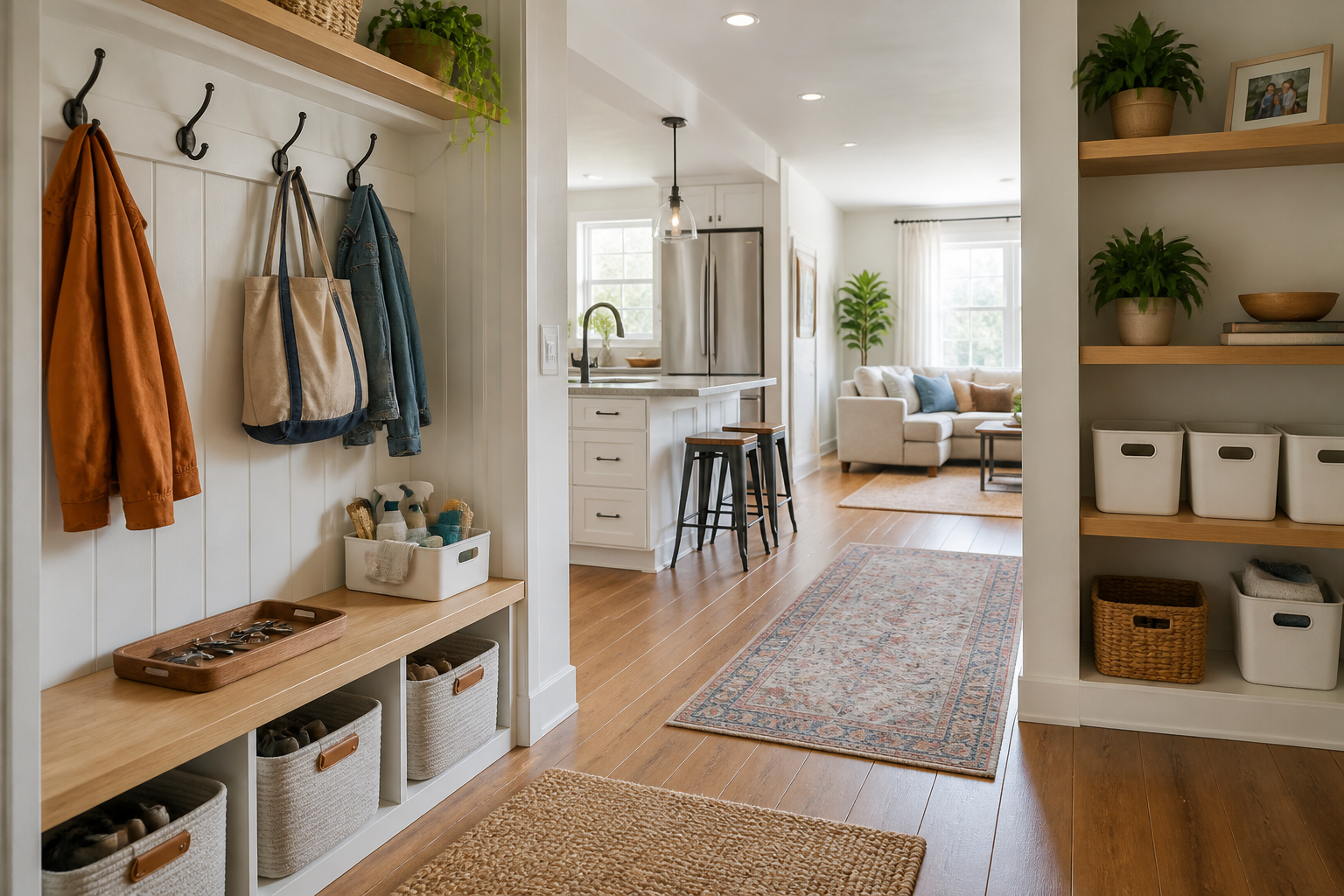
Choose one area near the main entrance for keys, bags, wallets, sunglasses, and other items you carry every day. A few wall hooks, a small tray, or a basket can be enough. If space is limited, use the back of a door or a narrow shelf.
This simple landing spot prevents the familiar search before leaving home. It also keeps bags and shoes from spreading into other rooms. The biggest time savings come from making the location visible and consistent, so everyone knows where essentials belong.
2. Store Items Where They Are Used
Keep supplies close to the activity they support. Store extra towels near the bathroom, pet-care items near the area where you feed your pet, and cooking tools near the counter or appliance where they are used most often.
When an item is stored across the house, each use involves an unnecessary trip. Moving it closer may save only a minute at a time, but repeated tasks add up. This is one of the simplest home organizing hacks for busy households because it improves the routine without adding more storage.
3. Use Clear Labels for Shared Storage
Labels are especially helpful when several people share shelves, bins, drawers, or a linen closet. Mark containers with practical categories such as “school supplies,” “light bulbs,” “winter accessories,” or “first-aid items.” Use words everyone understands rather than overly specific descriptions.
Clear labels reduce questions and make putting things away faster. They also prevent belongings from being placed in whichever container happens to be available. In a family home, labels turn organization into a shared system instead of a task managed by one person.
4. Organize the Pantry by Meal and Frequency
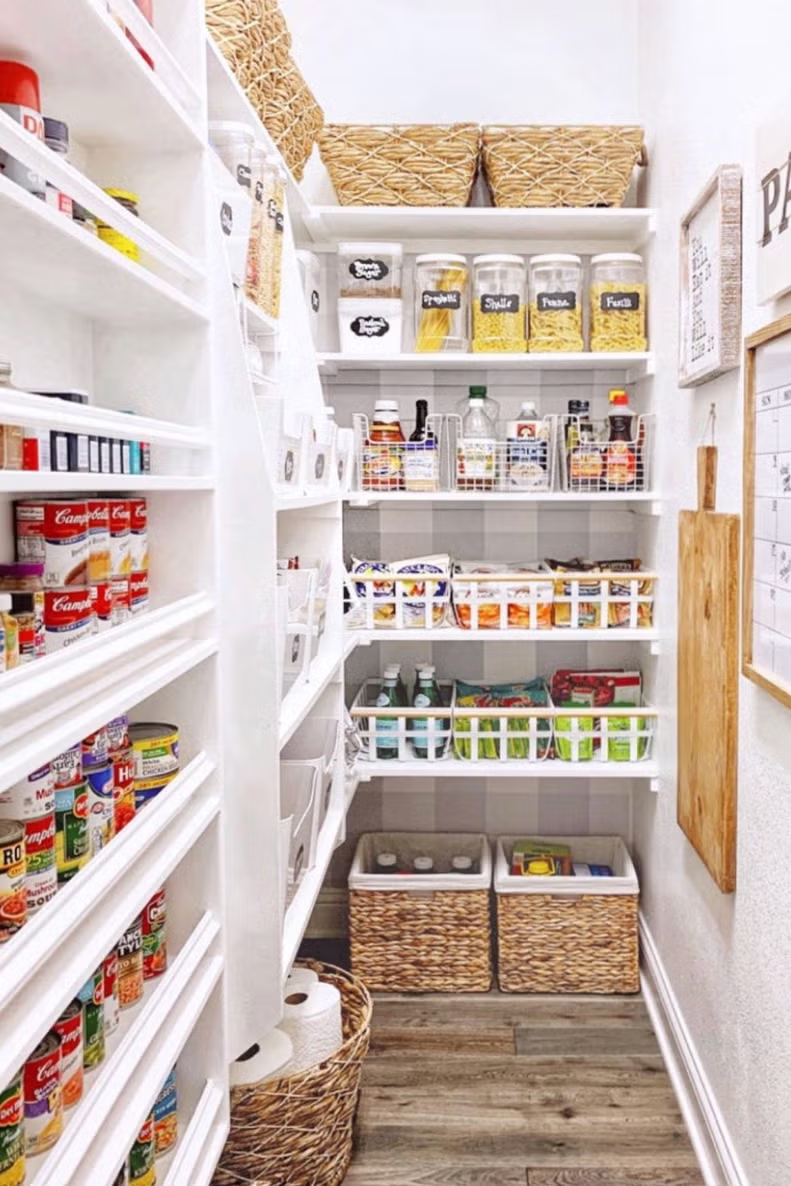
Place everyday foods at eye level and group ingredients by how they are used. For example, keep breakfast items together, create a baking section, and place pasta, sauces, and grains in one area. Reserve higher or less convenient shelves for occasional foods and backup supplies.
This arrangement makes meal planning quicker because related ingredients are easier to see. It also helps you check what is missing before shopping. Grouping food by use, rather than arranging everything by package size, can reduce the time spent opening cabinets and searching for one ingredient.
5. Keep a One-Basket Clutter Reset System
Place one medium-sized basket in a central location. During the day, use it to collect items that belong in other rooms. At a convenient time, carry the basket around the home and return everything in a single reset.
Instead of making repeated trips whenever you notice an out-of-place item, you can keep moving through your routine and deal with the collection at once. Choose a basket that is easy to lift and not so large that it becomes a permanent storage area. This system is particularly useful in multi-level homes.
6. Prepare a Grab-and-Go Station
Create a small station for items needed when leaving the house. Depending on your routine, it might hold work equipment, school materials, reusable water bottles, sports gear, or a packed lunch bag. A shelf, open bin, or section of the entry closet can work.
Prepare the station the night before by placing everything needed for the next morning together. This reduces last-minute decisions and prevents forgotten items. Families can assign one bin to each person, while renters can use portable containers that move easily if the layout changes.
7. Use Vertical Space in Small Rooms
When floor and counter space are limited, look upward. Hooks, wall-mounted shelves, pegboards, and over-door organizers can hold supplies without taking up valuable walking space. In a kitchen, a wall rail may hold utensils; in a bathroom, an over-door organizer can store toiletries.
Vertical storage is most effective when it keeps frequently used items accessible. Avoid placing daily essentials so high that retrieving them becomes inconvenient. The goal is to free surfaces and floors while making regular tasks easier, not to move clutter out of sight.
8. Arrange Clothes for Faster Decisions
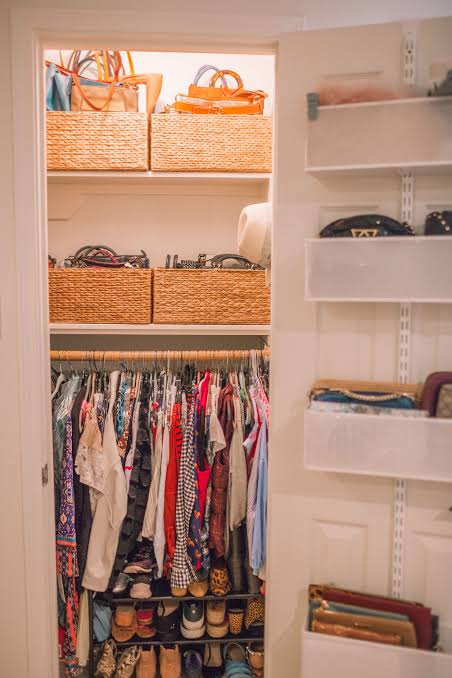
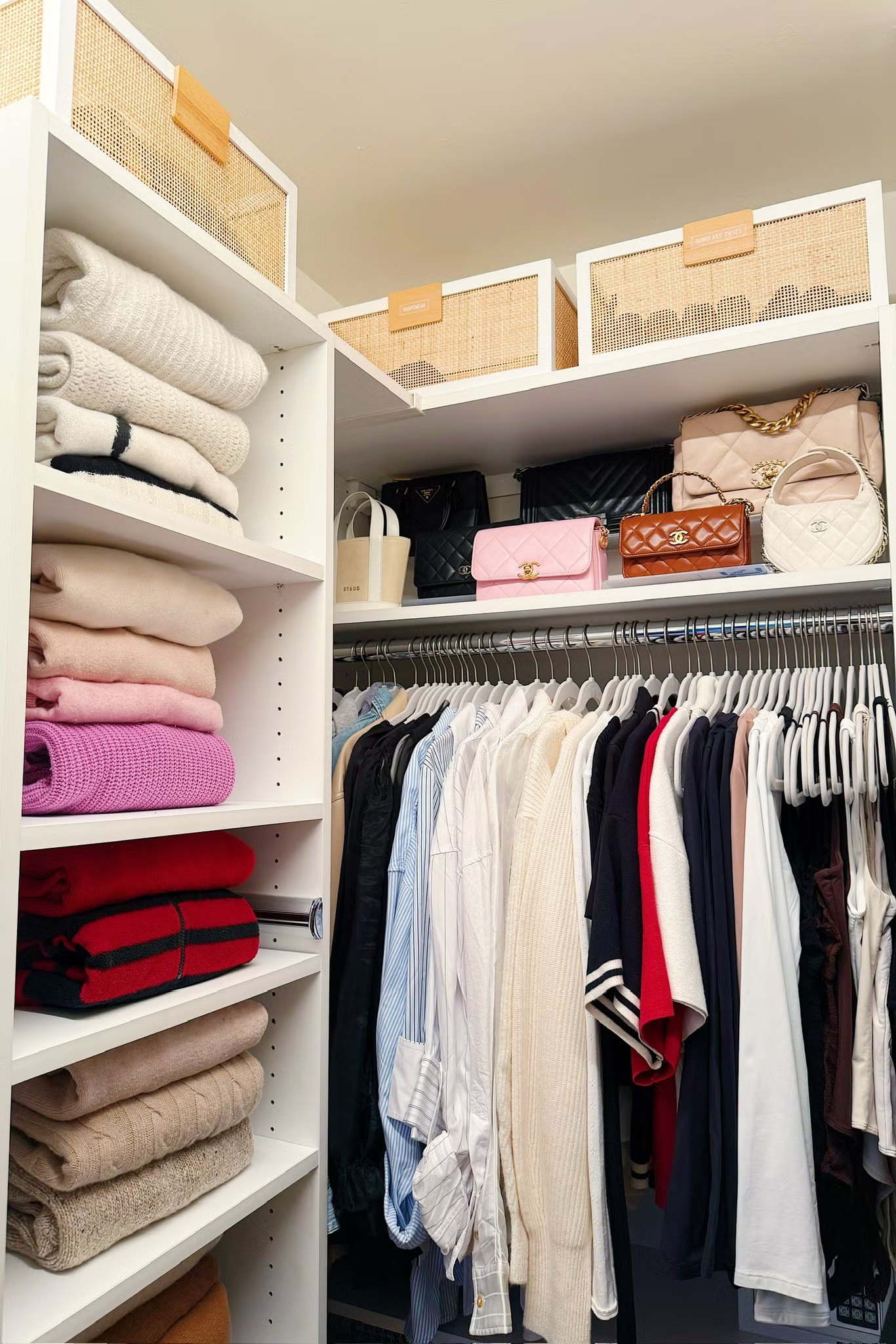
Organize clothing according to the way you get dressed. You might group garments by type, season, color, or complete outfit. Keep frequently worn pieces at the front of a closet or in the most accessible drawers, while storing special-occasion clothing farther back.
If mornings are rushed, create a small section for reliable outfits that can be worn without much thought. This limits decision-making and makes laundry easier to put away. Use the same approach for children’s clothing by keeping everyday items within their reach and separating them from less frequently used pieces.
9. Make a Simple Cleaning Caddy
Keep basic cleaning supplies together in a portable caddy. Include only the products and tools you use regularly, such as a multipurpose cleaner, microfiber cloths, sponges, gloves, and a small brush. You can create separate caddies for bathrooms and general cleaning if that better suits your home.
A cleaning caddy eliminates the time spent gathering supplies before each task. It also makes it easier to complete short cleaning sessions as soon as you notice a problem. Store products safely and follow label instructions, particularly when using more than one cleaner.
10. Create a Paperwork Action System
Unsorted paperwork often becomes a recurring search problem. Use four clearly marked categories: action, file, recycle, and shred. Place incoming mail into the correct category as soon as possible rather than allowing it to collect on a counter.
The action section should contain items that require a response, payment, or decision. Review it at a regular time each week. This system reduces the risk of overlooking important documents and keeps routine paperwork from spreading throughout the home.
11. Use Drawer Dividers for Small Essentials
Small objects are easy to lose in deep drawers. Use dividers or small containers to separate batteries, charging cables, tools, hair accessories, stationery, or personal items. You do not need a different compartment for every object; broad, useful categories are usually enough.
Defined sections make both finding and replacing items faster. They also show when a category has become overcrowded. Before adding another container, remove duplicates and items that no longer work or serve a purpose.
12. Keep a Running Shopping List
Place a shared shopping list in the kitchen or use a household app that everyone can access. Add an item when it runs out or when you use the last backup, rather than trying to remember everything before a shopping trip.
A running list reduces repeated checks of cabinets and refrigerators. It also helps prevent forgotten essentials and duplicate purchases. For families, agree on a simple rule: whoever notices that a commonly used item is nearly finished adds it immediately.
13. Set Up a Ten-Minute Evening Reset
Spend ten minutes at the end of the day returning key items, clearing the most-used surfaces, loading or emptying the dishwasher, and preparing anything needed the next morning. Focus on the kitchen, entrance, living area, and other high-traffic spaces.
A short reset prevents small problems from becoming a larger weekend project. It does not need to make the entire home perfect. The purpose is to restore the areas that affect tomorrow’s routine, keeping daily cleaning and organization manageable.
14. Apply the One-In, One-Out Rule
When you bring in a replacement item, remove an older or unused version. This rule can apply to clothing, kitchen equipment, toys, storage containers, and personal accessories. If the old item is still useful, donate it, recycle it, or place it in a clearly marked departure area.
One-in, one-out limits the growth of clutter and reduces future decluttering work. It is especially valuable in apartments and homes with limited storage, where every new purchase can quickly create a space problem.
15. Give Every Frequently Used Item a Home
Choose a consistent location for anything used often: scissors, chargers, remote controls, pet leashes, reusable bags, or school supplies. The location should be easy to reach and close to where the item is normally used.
Consistency matters more than perfection. A storage solution is successful when people can return items without thinking about it. If an object repeatedly ends up somewhere else, treat that as useful information and move its assigned home closer to the place where it naturally gets used.
How to Choose the Best Home Organization Hacks for Your Home
Start with Your Biggest Time-Wasting Routine
Notice what repeatedly causes delays. Are you searching for keys, moving clutter before cooking, looking for paperwork, or making several trips to gather cleaning supplies? Choose one system that addresses that specific problem first.
Starting with a clear inconvenience makes the result easier to evaluate. If the new arrangement does not help, adjust the location, category, or container rather than assuming you need a more expensive solution.
Match the System to Your Space
Small homes benefit from vertical storage, over-door organizers, hooks, and furniture with more than one function. Larger homes may need clearly defined zones so items do not migrate between rooms. In either case, keep high-use items accessible and avoid storing them in containers that are difficult to open.
The best efficient home organization system is one that requires little maintenance. If putting something away takes several steps, people are less likely to do it consistently.
Make the System Easy for Everyone to Maintain
Use visible storage, simple categories, and labels that household members can understand. Keep reset routines brief and realistic. A system that only one person can maintain is likely to fail when that person is busy.
Common Home Organization Mistakes That Waste Time
- Buying storage before decluttering: More containers can hide excess belongings without solving the underlying problem.
- Creating overly complicated categories: If every item needs a highly specific location, putting things away becomes a chore.
- Storing frequently used items out of reach: Attractive arrangements are less useful when daily essentials are inconvenient to access.
- Organizing only for appearance: A neat-looking room may still waste time if important items are difficult to find.
- Skipping maintenance: Even a good system needs brief daily or weekly resets to remain effective.
Frequently Asked Questions
Which home organization hacks save the most time?
Start with a drop zone, a grab-and-go station, item-specific storage, a portable cleaning caddy, and a short evening reset. These systems affect routines that happen every day, so their time savings are more consistent than those of occasional storage projects.
How can simple organization systems make daily routines faster?
They reduce searching, unnecessary trips, repeated decisions, and the time spent restoring clutter. When an item has a predictable home, the next action is usually obvious.
What are the easiest home organization changes to implement?
Labels, a one-basket clutter reset, drawer dividers, a shared shopping list, and a designated place for keys and bags require little space or preparation. Choose one that solves an immediate frustration.
Are these organization ideas suitable for small homes or apartments?
Yes. Use vertical storage, over-door solutions, hooks, multipurpose furniture, and accessible containers. Keep only frequently used items in prime locations and avoid filling limited space with storage products you rarely use.
How can organization hacks reduce repeated household tasks?
Consistent storage locations and brief reset routines prevent the same searching and clutter problems from returning. They shift organization from a large occasional project to a small part of everyday life.
How can these hacks be maintained over time?
Keep systems simple, involve everyone who uses the space, and schedule short daily or weekly resets. If a system repeatedly breaks down, change it to match actual habits instead of forcing an impractical arrangement.
What storage solutions work best for busy households?
Open bins, hooks, labels, drawer dividers, portable caddies, and accessible drop zones are practical choices. They make items easy to retrieve and quick to return, which is more useful than storage that is difficult to operate.
What common home organization mistakes waste time?
Overcomplicated systems, inaccessible storage, organizing without decluttering, and focusing only on appearance can all create extra work. A useful system should make a repeated task simpler.
Make Organization Work for Your Routine
The most effective organization ideas for the home are simple, visible, and connected to a specific time-wasting problem. You do not need to reorganize every room at once. Choose one high-impact change, test it for a week, and adjust the location or categories until the system fits your household.
Whether you begin with a drop zone, a shopping list, or a ten-minute reset, the goal is not a perfect-looking home. It is a home where everyday tasks require fewer searches, fewer trips, and less mental effort. That practical approach is what makes organization last.