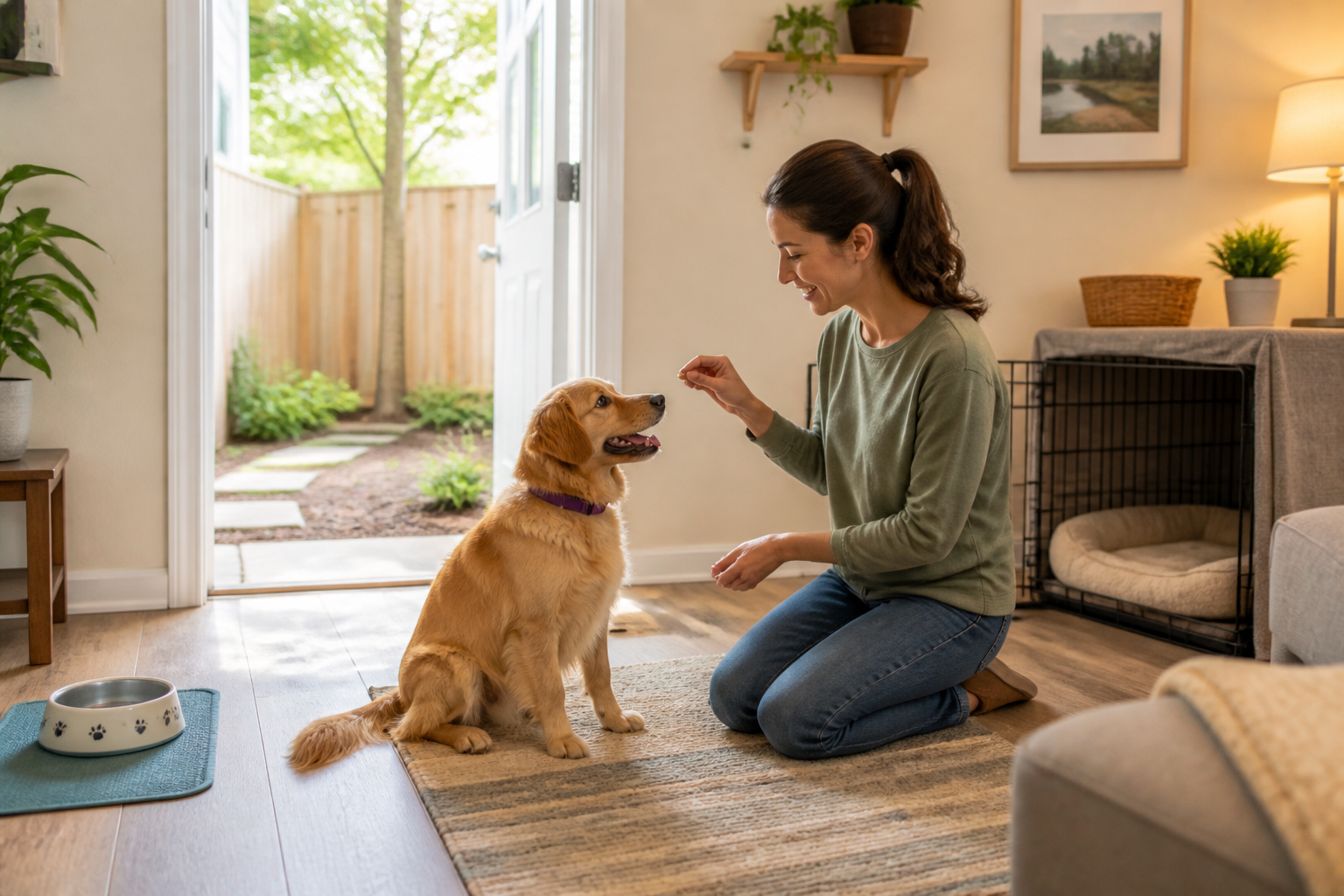
Bringing a dog home means establishing a few important household routines. Your dog needs to learn not only where to potty, but also where meals happen and where it is expected to rest. These habits rarely develop through correction alone. Dogs learn best when the right behavior is easy to perform, the routine is predictable, and good choices are rewarded.
Whether you are raising a puppy or helping an adult dog adjust to a new home, the basic approach is similar: prepare clear locations, supervise carefully, use consistent cues, and reward success immediately. Expectations should be adjusted for the dog’s age, health, temperament, and previous experience. A young puppy, a recently adopted adult dog, and a senior dog may need very different schedules and levels of support.
Prepare the Right Places and Training Routine
Before training begins, decide where each important activity should happen. Choose an accessible potty area, a calm feeding location, and a comfortable bed or crate. These places should be easy for your dog to reach and safe from excessive noise, foot traffic, and household activity.
- Potty area: Select one outdoor spot when possible, or a clearly defined indoor area if your dog uses pads or another approved option.
- Feeding area: Use a quiet location away from litter boxes, busy doorways, children’s play areas, and other pets that may interrupt meals.
- Sleeping area: Place a bed or crate in a secure, low-traffic part of the home where your dog can rest without being isolated from the family.
During the early stages of how to train your dog, limit access to rooms where accidents, chewing, or unwanted sleeping are likely. Baby gates, closed doors, and a leash attached to you during supervised periods can help prevent mistakes. Keep treats, food bowls, waste bags, enzymatic cleaner, and bedding ready so you can respond consistently.
Use the same words and signals every day. For example, say “go potty” as your dog reaches the designated area, “place” when guiding the dog to its bed, and a simple release word when the dog may leave. Everyone in the household should follow the same rules.
How to Potty Train Your Dog
Dog potty training depends on timing, supervision, and immediate reinforcement. Take your dog to the designated potty spot after waking, eating, drinking, playing, and exercising. A trip before bedtime is also important. Puppies generally need more frequent opportunities because they have smaller bladders and less control, while adult dogs may be able to follow a longer schedule.
When you arrive at the potty area, remain calm and give your dog time to investigate. Use the same verbal cue, but avoid repeating it constantly. As soon as your dog finishes eliminating in the correct place, reward the behavior immediately with a small treat, enthusiastic praise, or a brief opportunity to sniff and explore. The reward should come within a few seconds so your dog can connect it with the behavior.
Indoor supervision is just as important as outdoor trips. Signs that a dog may need to eliminate include sniffing the floor, circling, wandering away, suddenly becoming restless, or moving toward a previously soiled area. If you notice these behaviors, guide your dog outside or to the approved indoor spot without making the moment exciting.
When your dog begins having regular success, gradually allow more freedom in the home. Increase access one room at a time rather than giving unrestricted access immediately. If accidents increase, return to closer supervision and a more frequent schedule.
How Often Should You Take Your Dog Out?
There is no single schedule that suits every dog. Puppies often need potty breaks several times throughout the day, particularly after meals, naps, play, and drinking. Their needs can change quickly as they grow. Adult dogs may follow a more predictable routine, but size, activity level, water intake, health, and individual habits still matter.
Keep a simple record for the first several days. Note when your dog eats, drinks, sleeps, eliminates, and has accidents. This can reveal patterns and help you plan trips before problems occur. Avoid withholding water as a training strategy. Dogs need regular access to fresh water, and unusual thirst should be discussed with a veterinarian.
What to Do After an Accident
If you catch an accident while it is happening, interrupt gently and guide your dog to the correct location. If you find the mess afterward, clean it without scolding. Punishing a dog after the fact does not explain what behavior was wrong, and it may teach the dog to hide when eliminating.
Use an enzymatic cleaner designed for pet waste. Ordinary household cleaners may leave odors that encourage a dog to return to the same spot. Never rub your dog’s nose in an accident or use physical punishment. These methods can create fear without teaching the desired habit.
Sudden or frequent accidents in a previously house-trained dog may have a medical cause. Urinary infections, digestive problems, pain, mobility changes, and other conditions can affect elimination. Contact your veterinarian if accidents appear alongside straining, blood, diarrhea, excessive thirst, lethargy, or other unusual symptoms.
Teach Your Dog to Eat in the Right Place
A consistent dog feeding routine can make mealtimes calmer and easier to manage. Feed your dog at approximately the same times each day in one designated area. The location should be comfortable, easy to clean, and separate from places where the dog sleeps or eliminates.
Place the bowl down and allow your dog to eat without pressure. If the dog does not eat, remove the bowl after a reasonable period and offer food again at the next planned mealtime, unless your veterinarian has advised a different approach. Avoid turning every meal into a negotiation with repeated coaxing, table scraps, or frequent changes of food.
Reward calm behavior around the feeding area. You might praise your dog for walking to the spot, waiting briefly, or remaining relaxed while the bowl is prepared. If more than one pet lives in the home, feed them separately when competition, guarding, or distraction is a concern. Keep human food, trash, medications, and other dangerous items out of reach.
If Your Dog Refuses to Eat in the Designated Area
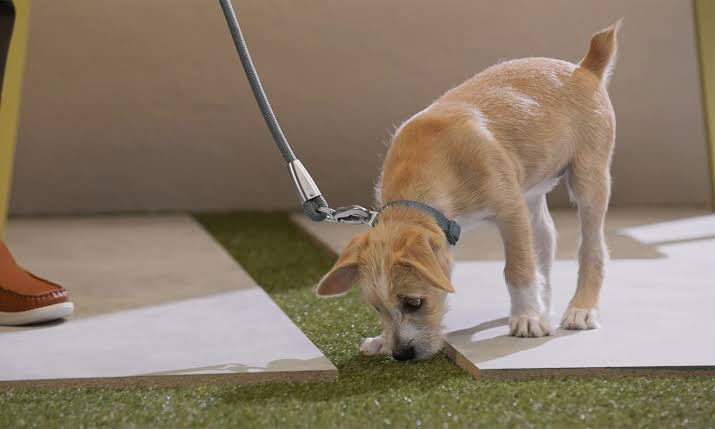
First, look for environmental problems. A noisy appliance, slippery floor, nearby children, another pet, or a high-traffic location may make the area uncomfortable. Some dogs dislike the sound or shape of a particular bowl, especially if it touches their whiskers or slides while they eat.
Try making the space quieter and more predictable. Place a non-slip mat beneath the bowl, move it away from disturbances, and reward your dog for calmly approaching the area. Introduce changes gradually rather than moving the bowl repeatedly from one location to another.
A sudden refusal to eat should not automatically be treated as a training issue. Appetite loss, vomiting, diarrhea, mouth pain, difficulty chewing, low energy, or weight changes require veterinary advice. Puppies, small dogs, senior dogs, and dogs with existing health conditions may need prompt attention when they stop eating.
Train Your Dog to Sleep in Its Bed or Crate
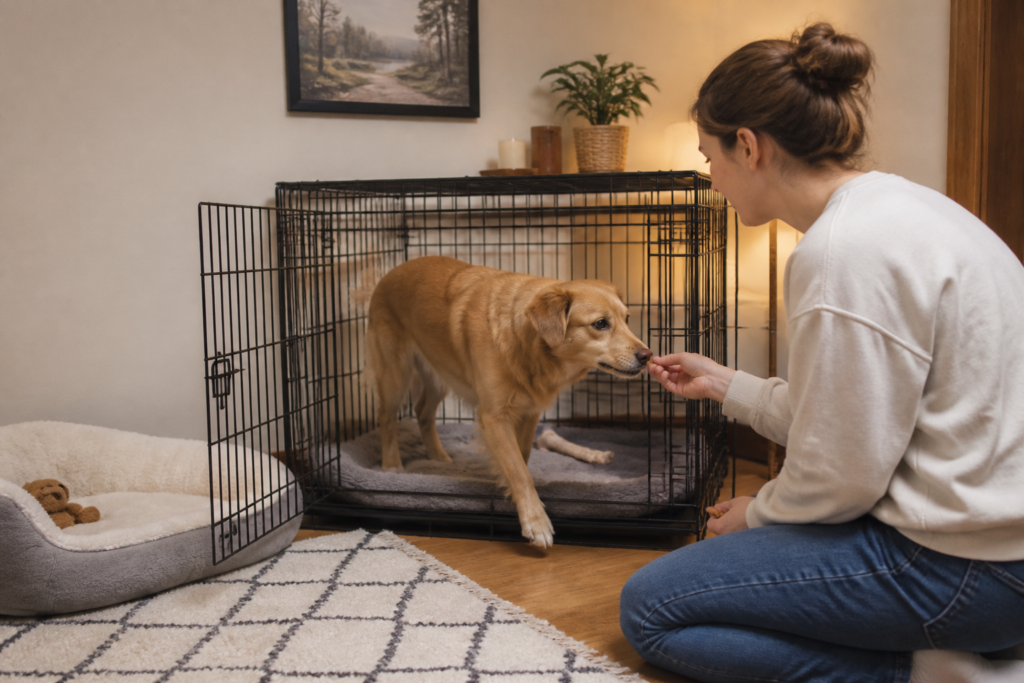
To teach a dog to sleep in its bed or crate, begin by making the location comfortable and rewarding. Put the bed or crate in a safe, low-traffic area where your dog can rest while still feeling connected to the household. Add suitable bedding, but avoid items that could be torn apart and swallowed.
Reward your dog for looking at the bed, approaching it, entering it, lying down, and settling quietly. At first, rewards may be delivered every few seconds for calm behavior. Gradually increase the time between rewards as your dog becomes comfortable. You can also place a safe chew or favorite toy in the area when appropriate.
Never use the crate as punishment or force your dog inside. A crate should be large enough for the dog to stand, turn around, lie down, and rest comfortably. Introduce closed-door periods gradually, beginning with short intervals while you remain nearby. The crate should not be used for excessive confinement, and puppies need frequent opportunities to potty, move, play, and interact with people.
A consistent bedtime routine supports dog sleep training. Take your dog to the potty area, provide a calm period with limited stimulation, and then guide the dog to its bed or crate using the same cue each night. Dim lighting and reduced household activity can help signal that the day is ending.
How to Handle Whining at Night
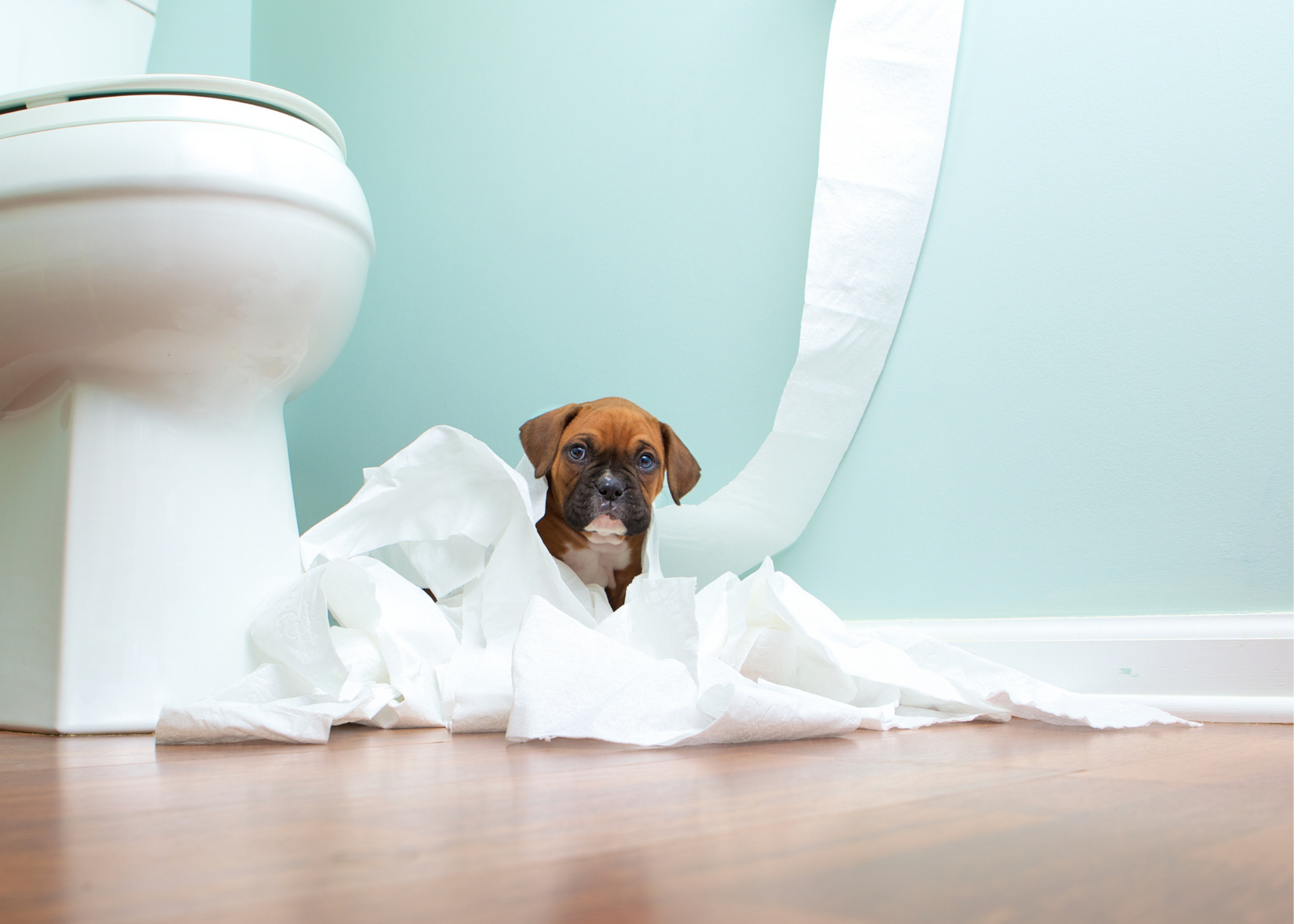
Do not assume every nighttime vocalization is attention-seeking. First consider whether your dog needs to potty, is too hot or cold, feels unsafe, is uncomfortable, or may be ill. Young puppies commonly need nighttime potty breaks, and newly adopted dogs may need time to adjust to unfamiliar surroundings.
If a potty break is necessary, keep the interaction quiet and brief. Take the dog to the approved spot, reward appropriate elimination, and return to bed without starting playtime. When the dog settles quietly, reinforce that calm behavior during the day and at bedtime.
Persistent panic, intense scratching, heavy panting, or attempts to escape a crate should not be ignored. These signs may indicate fear, confinement distress, or separation-related problems. Reduce the difficulty and seek guidance from a veterinarian or qualified positive-reinforcement professional.
Use Positive Reinforcement and Consistency
Positive reinforcement dog training means rewarding behavior you want to see again. The reward may be a treat, praise, play, petting, access to a favorite toy, or permission to explore. The most important detail is timing: reward immediately after the desired action.
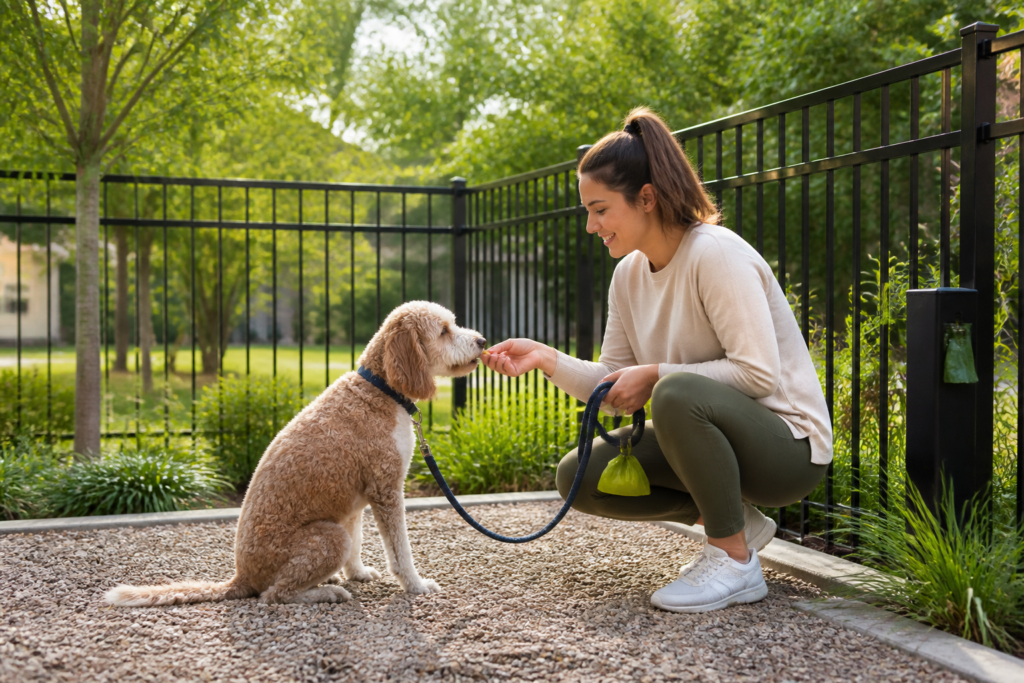
Keep practice sessions short and repeatable. A few calm repetitions throughout the day are often more useful than one long session. Use the same cues across the household and decide in advance what each cue means. If one person allows the dog on the sofa while another repeatedly removes the dog, the dog receives confusing information.
Environmental management is part of training, not a failure of training. Keep tempting objects out of reach, block unsupervised rooms, and place the bed, bowls, and potty supplies where the dog can succeed. Track progress and change one variable at a time. For example, do not move the bed, change the feeding schedule, and increase freedom all on the same day.
Common Training Mistakes to Avoid
- Punishing accidents or frightening the dog near its potty area.
- Forcing a dog into a crate, bed, or feeding location.
- Expecting a puppy to follow an adult dog’s potty or sleep schedule.
- Giving a newly trained dog too much unsupervised freedom too soon.
- Changing household rules from one day to the next.
- Leaving food, trash, or unsafe objects where the dog can reach them.
- Assuming every appetite, elimination, or sleep change is behavioral.
When to Contact a Veterinarian or Professional Trainer
Veterinary advice is appropriate for sudden house-soiling, appetite loss, excessive thirst, painful elimination, vomiting, diarrhea, major sleep changes, or unusual lethargy. Medical problems can look like training problems, and early attention may prevent the behavior from becoming harder to manage.
Consider a certified positive-reinforcement trainer or veterinary behavior professional if your dog shows persistent fear, aggression, separation distress, resource guarding, severe crate anxiety, or repeated training setbacks. A professional can observe the situation, identify triggers, and create a plan suited to your dog and household.
Frequently Asked Questions
How long does it take to train a dog to potty, eat, and sleep in the right places?
Progress varies according to age, previous training, health, temperament, and household consistency. Some routines improve within days, while reliable habits may take weeks or longer. Accidents and setbacks are normal, particularly during changes in schedule or environment.
How often should I take my dog to its potty spot?
Take a puppy out frequently, especially after waking, eating, drinking, playing, and napping. Adult dogs may need fewer breaks, but individual needs differ. Use your dog’s age, health, habits, and behavior signals to create a schedule.
What is the best way to potty train a dog without punishment?
Use scheduled trips, close supervision, immediate rewards for successful elimination, and enzymatic cleaning after accidents. Interrupt accidents gently if you see them happening, but never punish a dog afterward.
How do I teach my dog to eat in one place?
Choose a calm feeding location, offer meals at consistent times, and reward relaxed behavior around the bowl. Limit distractions and avoid moving the feeding area repeatedly unless the current location is uncomfortable or unsafe.
What should I do if my dog refuses to eat in its assigned area?
Check for noise, slippery flooring, other pets, bowl discomfort, and recent food changes. Make the area calmer and introduce it gradually. If appetite loss is sudden or accompanied by other symptoms, contact a veterinarian.
How do I teach my dog to sleep in its bed or crate?
Introduce the area gradually and reward your dog for entering, lying down, and settling. Use a comfortable setup and a predictable bedtime routine. Never use the bed or crate as punishment or force the dog inside.
Should I punish my dog for having an accident?
No. Punishment is ineffective after the accident and can create fear or make a dog hide when it needs to eliminate. Clean the area thoroughly, improve supervision, and reward the correct behavior.
When should I get professional help with dog training?
Seek help for persistent accidents, sudden appetite or sleep changes, severe distress, aggression, fear, or suspected medical problems. A veterinarian can rule out health issues, while a qualified trainer can address routine and behavior challenges.
Build Habits Through Patience and Repetition
Dogs learn household routines through clear choices, steady supervision, and repeated rewards. Establish the potty, feeding, and sleeping areas before training begins, then keep the schedule as predictable as possible. Reward success promptly, manage the environment carefully, and adjust the plan when your dog’s age, health, or circumstances change.
With patience and humane guidance, most dogs can learn where to potty, eat, and rest. If progress stalls or your dog’s behavior changes suddenly, professional support can help you move forward safely and confidently.