Anyone who has observed a dog resting on the living room floor has likely witnessed an intriguing spectacle: tiny muffled barks, rapidly paddling paws, whisker twitches, and quick eye movements beneath closed lids. These subtle physical displays often prompt pet owners to ask a fundamental question: do dogs dream in the same way humans do, and why do they sometimes physically act out these nocturnal scenarios?
Advancements in veterinary neuroscience and animal cognition have transformed our understanding of canine sleep. Scientists can now confirm that dogs do indeed experience vivid dreams. Their sleep architecture, brain activity patterns, and physiological responses closely parallel our own. Understanding the underlying mechanics of canine sleep cycles provides fascinating insights into the domestic dog’s mind, helps relieve owner anxiety regarding sleep behaviors, and establishes clear boundaries between healthy dream states and potential neurological concerns.
The Science Behind Canine Sleep Cycles
To determine whether dogs experience dreams, neuroscientists turned to clinical monitoring tools similar to those used in human sleep medicine. By evaluating neural pathways and electrical impulses during rest, researchers unlocked the hidden stages of canine slumber.
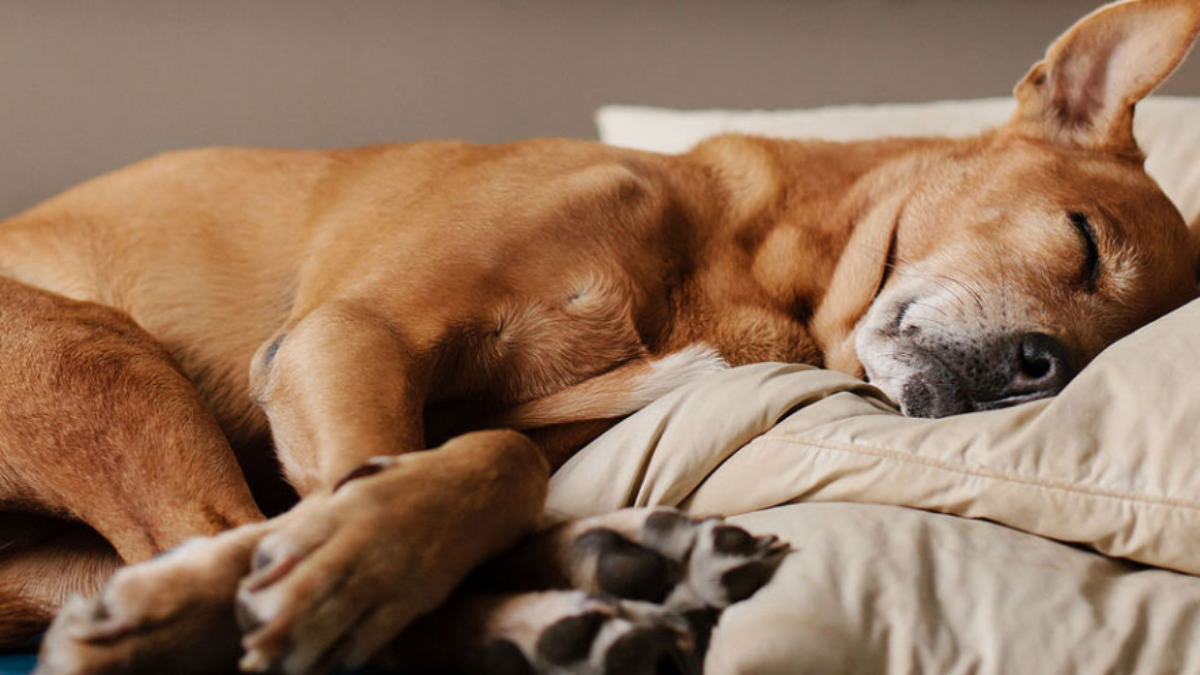
Scientific Evidence Proving Dogs Experience Dreams
The definitive proof that dogs dream comes from electroencephalogram (EEG) studies measuring electrical brain activity during sleep. In pioneering neurological research, scientists mapped brain wave patterns in dogs as they transitioned through various sleep stages. The data revealed that once a dog enters deep sleep, its brain wave signatures become virtually indistinguishable from human brain waves recorded during dream states.
When a dog falls asleep, its brain initially exhibits high-amplitude, low-frequency delta waves characteristic of non-rapid eye movement (NREM) sleep. As sleep deepens, the brain shifts into Rapid Eye Movement (REM) sleep—the stage where active dreaming takes place. During REM sleep, brain waves accelerate into low-amplitude, high-frequency patterns, signaling that the cerebral cortex is processing information, retrieving memories, and generating dream imagery just as it does during waking hours.
How Canine REM Sleep Compares to Human Sleep
The structural framework of the canine brain shares deep evolutionary similarities with the human brain. Both species rely on similar subcortical and cortical structures, including the hippocampus and the brainstem, to regulate sleep cycles and process emotional memories.
However, the temporal structure of these cycles differs noticeably between humans and dogs:
- Cycle Duration: A typical human sleep cycle lasts approximately 90 minutes, whereas a dog’s sleep cycle is significantly compressed, lasting roughly 20 minutes. This means dogs enter REM sleep much faster than humans—usually within 15 to 20 minutes of falling asleep.
- Frequency and Duration by Size: Research indicates that a dog’s physical size directly influences the length and frequency of its dream episodes. Small breeds, such as Toy Poodles or Chihuahuas, experience shorter, more frequent REM cycles—sometimes dreaming every 10 minutes for about 60 seconds. Conversely, large breeds, such as Mastiffs or Great Danes, experience longer intervals between dreams, but their REM periods can last up to 5 minutes or more.
- Age Dynamics: Age alters sleep patterns considerably. Puppies and senior dogs spend a much higher percentage of their overall sleep time in REM sleep compared to young adults, leading to more frequent observable physical movements during rest.
Why Dogs Act Out Their Dreams
Observing a dog twitch or paddle its legs while asleep offers a visible window into the canine subconscious. What triggers these bodily responses, and why do some dogs move more than others?
What Dogs Dream About Based on Cognition Studies
While dogs cannot verbally report their dreams, animal cognition studies provide compelling evidence regarding the content of canine dreams. Memory consolidation research demonstrates that during sleep, the hippocampus replays electrical activity patterns recorded during the day. This indicates that dogs process daily experiences during sleep.
A dog’s dream content is primarily composed of standard daily activities and species-specific behaviors:
- Running through open fields or chasing toys
- Retrieving objects or tracking scents
- Interacting with human family members and other animals
- Guarding home territories or vocalizing at novel stimuli
Pointers may instinctively point at phantom birds in their sleep, while retrieval-driven breeds like Golden Retrievers may execute rhythmic paddling motions that mirror swimming or fetching objects.
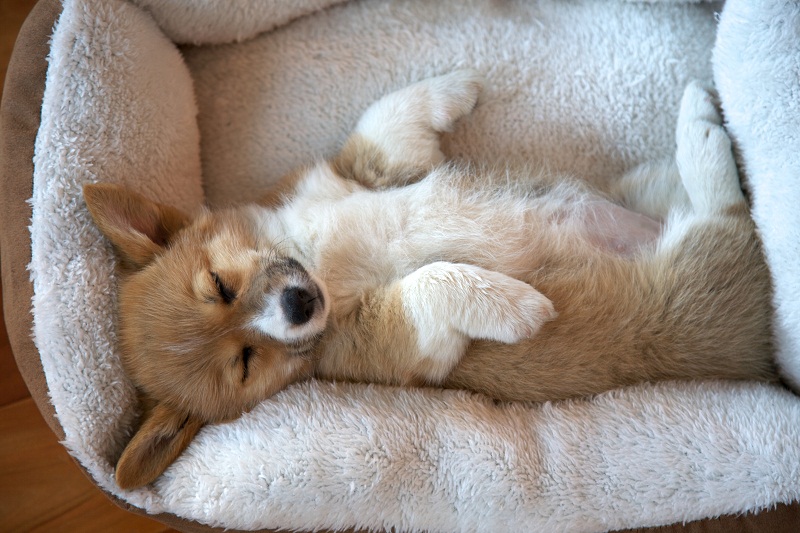
The Neural Switch: The Role of the Pons in Sleep Inhibition
Under normal physiological conditions, a dog dreaming about running does not actually leap across the room. This safety mechanism is controlled by a specialized structure located in the brainstem called the pons.
The pons serves as a neural switch responsible for motor inhibition during REM sleep. When the brain enters REM, the pons sends chemical signals down the spinal cord to inhibit motor neurons, effectively paralyzing voluntary muscles. This biological state, known as REM atonia, allows the mind to process vivid action sequences while keeping the physical body motionless.
When dogs act out dreams—a phenomenon known as REM behavior manifestation—it occurs because motor inhibition is temporarily incomplete or suppressed:
- Immature Neural Systems: In puppies, the pons and associated neural pathways are not fully developed. Because this inhibition switch is still maturing, electrical signals bypass muscle paralysis, causing pronounced twitching, whining, and leg movements.
- Degenerative Changes in Seniors: In aging dogs, gradual neurochemical shifts and tissue changes in the brainstem weaken the efficiency of the pons. Consequently, senior dogs frequently display exaggerated movements, loud barks, or full-body paddling while dreaming.
Distinguishing Normal Sleep Twitching from Medical Concerns
For pet owners, seeing a sleeping dog twitch violently or vocalize can raise concerns about potential health emergencies, such as neurological distress or epileptic seizures. Recognizing the anatomical and behavioral differences between active dreaming and medical issues is essential for proper pet care.
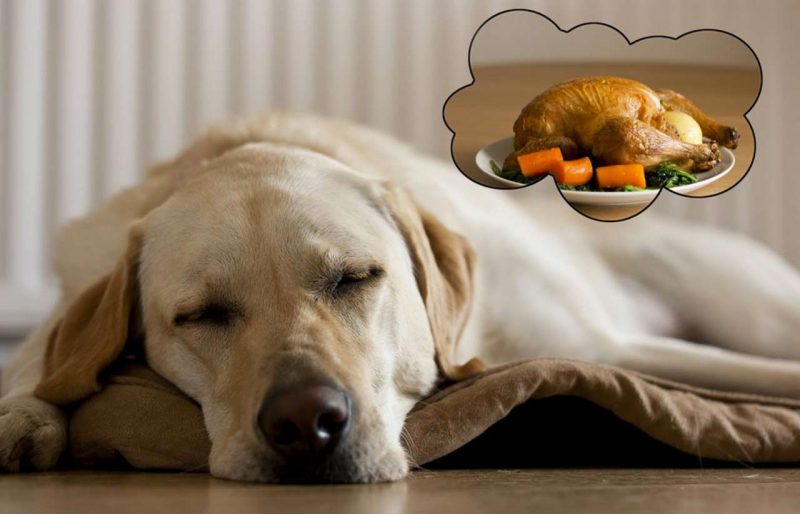
Recognizing Typical Dream Manifestations
Normal REM sleep movements are typically localized, gentle, and rhythmic. A healthy dreaming dog will display a combination of the following benign behaviors:
- Soft, muffled vocalizations including whines, soft barks, or gentle sighs
- Rhythmic twitching of the paw pads, toes, or tail tip
- Subtle movements of the ears, facial muscles, or whiskers
- Rapid movement of the eyeballs visible beneath closed or partially open eyelids
- Irregular, slightly accelerated breathing patterns that normalize as the sleep stage shifts
Crucially, a dreaming dog remains physically relaxed overall. Their muscle tone outside the specific twitching limb remains supple, and they can be easily awakened by low ambient sounds or a gentle voice.
How to Differentiate Between a Dreaming Dog and a Seizure
A nocturnal seizure is a serious neurological event that requires immediate veterinary attention. Seizures differ fundamentally from sleep movement in terms of muscle tension, duration, consciousness, and post-event behavior.
The table below highlights the primary differences between typical REM sleep dreaming and a nocturnal epileptic seizure:
| Diagnostic Feature | Normal REM Dreaming | Nocturnal Seizure |
|---|---|---|
| Muscle Tone | Relaxed body, limp neck, intermittent soft twitching. | Rigid, hyper-extended limbs, locked jaw, tense body. |
| Movement Type | Gentle paddling, localized twitching of toes or lips. | Violent, involuntary thrashing or rigid contraction. |
| Autonomic Signs | Normal or slightly rapid breathing; no excessive fluids. | Profuse salivation/foaming, involuntary urination or defecation. |
| Arousal Response | Wakes quickly when called softly or touched gently. | Unresponsive to voice, physical touch, or environmental stimuli. |
| Post-Event State | Alert, oriented, recognizes owners immediately upon waking. | Prolonged disorientation, temporary blindness, pacing, or confusion. |
If you suspect your dog is experiencing a seizure rather than a dream, do not place your hands near its mouth. Clear nearby objects to prevent injury, note the exact duration of the episode, and record clear video footage if safe to do so. Video documentation is an invaluable diagnostic tool for veterinary neurologists when evaluating complex movement disorders.
Handling Sleep Disturbances Safely
It is natural to feel empathetic when a dog appears to be experiencing an intense dream or nightmare. However, intervening during deep sleep cycles introduces safety risks that every pet owner should understand.
Should You Wake a Dog Having an Intense Dream or Nightmare?
The traditional advice to “let sleeping dogs lie” is rooted in behavioral science. Waking a dog out of deep REM sleep carries distinct safety risks due to the physiological impact of the startle reflex.
When a dog is abruptly jolted out of REM sleep, its conscious brain takes several seconds to catch up with its immediate environment. If woken mid-dream, the dog may misinterpret its owner’s touching hand as a threat from its dream scenario. This sudden arousal can trigger an involuntary fight-or-flight response, leading to defensive snapping, growling, or accidental bites—even in extraordinarily gentle animals.
To safely manage active or distressed dreaming, follow these management guidelines:
- Avoid Physical Contact: Never shake, pat, or physically touch a deeply sleeping dog that is actively vocalizing or moving.
- Use Auditory Arousal: If you feel compelled to wake the animal due to extreme distress, call their name in a soft, calm tone from a safe distance of several feet. Gradually increase your voice volume until they open their eyes.
- Adjust the Environment: Gently turn on a soft light source or create ambient noise, such as closing a nearby door softly, to pull the dog into lighter sleep stages naturally.
- Optimize Sleep Environments: Provide a dedicated orthotic bed situated away from high-traffic zones, furniture corners, or sharp obstacles. Ensuring ample room allows active dreamers to twitch safely without striking household objects.
Frequently Asked Questions
What scientific evidence proves that dogs experience dreams?
Electroencephalogram (EEG) studies demonstrate that dogs experience brain wave patterns identical to humans during sleep. During REM sleep, a dog’s brain produces high-frequency, low-amplitude waves indicating active mental processing. Additionally, structural similarities in brain anatomy, such as the hippocampus and pons, confirm that dogs possess the required neurological framework for dreaming.
What do dogs dream about based on animal cognition studies?
Cognition research indicates that dogs dream about everyday canine experiences and consolidated memories. Memory replay studies show that the brain processes daytime activities during sleep, meaning dogs likely dream about running, fetching toys, exploring scent trails, interacting with their owners, and social engagement with other animals.
Why do dogs physically twitch, bark, or move their paws while asleep?
Dogs move while sleeping during the REM stage, when brain activity spikes. Normally, a structure in the brainstem called the pons inhibits voluntary muscle movement. When motor suppression is incomplete—which is common in puppies with immature nervous systems and senior dogs with aging brains—electrical signals reach the muscles, causing localized twitching, paddling, or muffled barking.

How does the REM cycle in dogs compare to human sleep?
Dogs enter REM sleep much faster than humans, typically within 20 minutes of falling asleep, whereas human sleep cycles take about 90 minutes. Canine sleep cycles are shorter and more frequent. A dog’s physical size also influences these cycles: smaller dogs tend to have shorter, more frequent dream states, while larger dogs experience longer gaps between deeper, extended REM episodes.
How can you distinguish between a dog acting out a dream and a medical issue like a seizure?
A dreaming dog remains physically relaxed overall, wakes easily when called, and displays localized movements like twitching toes or soft whimpering. A dog experiencing a seizure exhibits full-body muscle rigidity, violent thrashing, uncontrolled salivation, loss of bladder or bowel control, is completely unresponsive to its owner’s voice, and remains disoriented or confused upon waking.
Should you wake a dog that seems to be having an intense dream or nightmare?
It is generally best to avoid physically waking a dreaming dog. Abruptly waking an animal from REM sleep triggers a powerful startle reflex that can lead to defensive snapping or biting before the dog fully recognizes its surroundings. If waking is necessary, call the dog’s name softly from a safe distance or introduce ambient light and noise to pull them out of deep sleep naturally.
Conclusion
The discovery that dogs dream highlights the rich emotional and cognitive lives of our companion animals. Driven by neural structures that mirror our own, canine sleep patterns reveal a complex process of memory consolidation, skill learning, and mental processing. From the electrical wave signatures captured on EEGs to the physical motor responses regulated by the pons, science confirms that sleep is a vital, active state for canine neurological health.
For dog owners, seeing a pet paddle its paws or whimper softly during rest should be recognized as a standard sign of healthy brain function. By distinguishing these normal sleep behaviors from medical emergencies and respecting the boundaries of deep REM sleep, owners can foster a safe, comfortable environment that supports their dog’s well-being day and night.