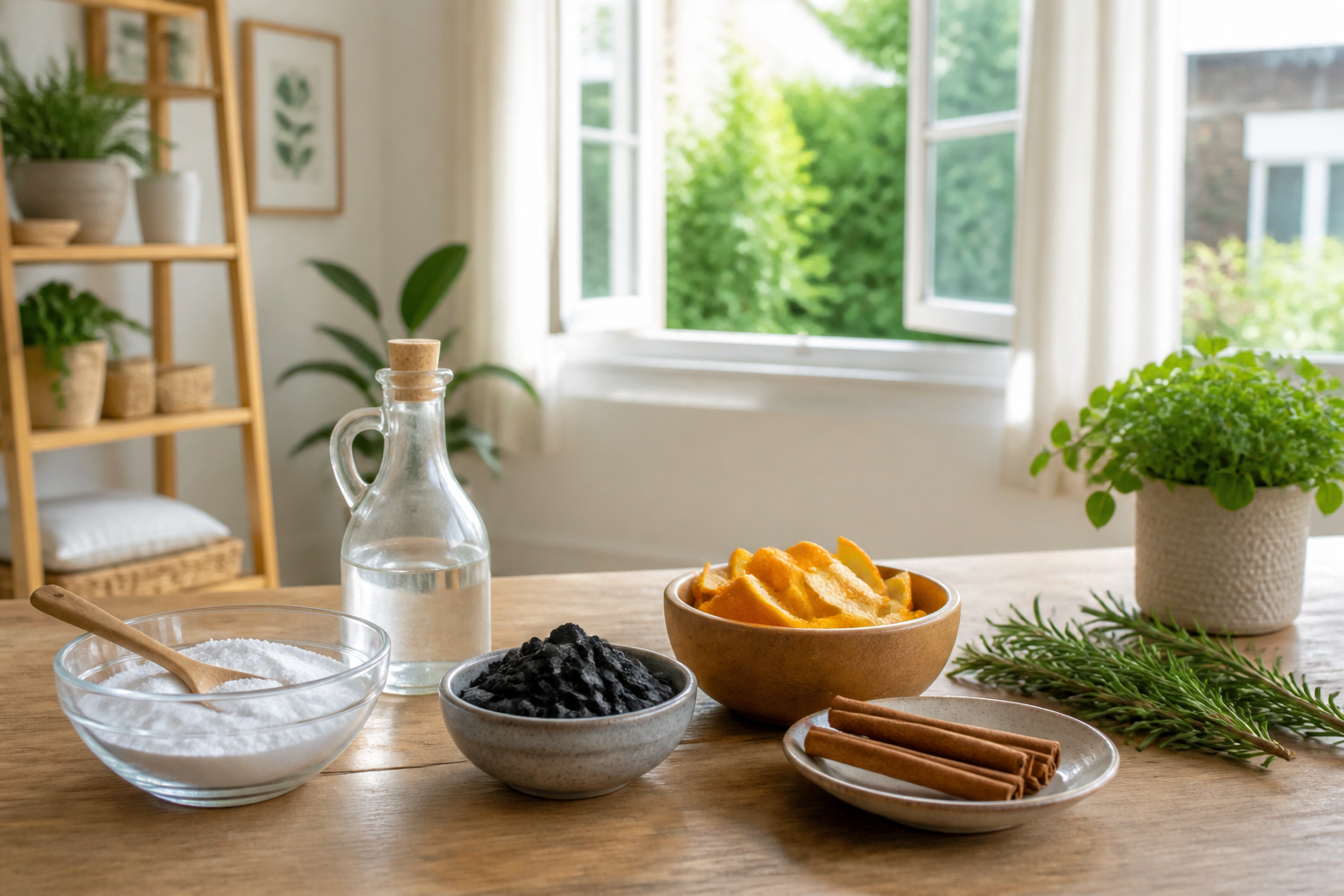
A fresh-smelling home does not require a shelf full of aerosol sprays, plug-ins, or heavily scented candles. In many cases, the best way to make your home smell good naturally is to remove the source of unpleasant odors, improve airflow, and keep moisture under control. Simple household staples such as baking soda, white vinegar, and activated charcoal can help with lingering smells without adding a strong fragrance.
This approach is especially useful for people with fragrance sensitivities, households trying to reduce waste, and anyone who prefers a low-cost alternative to commercial air fresheners. Natural fragrance can have a place, too, but it works best as a finishing touch rather than a substitute for cleaning.
Start by Removing the Source of Odors
Odors are usually a sign that something needs attention. Spraying fragrance over the smell may make it less noticeable for a short time, but it does not remove the material producing it. Finding and addressing the source is the most reliable first step in natural odor control.
Check common problem areas, including:
- Trash cans, recycling containers, and compost bins
- Food spills, spoiled produce, and refrigerator shelves
- Kitchen and bathroom drains
- Damp towels, bath mats, clothing, and rugs
- Litter boxes, pet bedding, crates, and food bowls
- Shoes, gym bags, upholstered furniture, and curtains
- Areas affected by smoke, cooking odors, or standing water
Remove household waste regularly, wipe food residue from surfaces, and launder fabrics that hold odor. Kitchen sponges and reusable cleaning cloths can also develop unpleasant smells when they stay wet. Wash them according to the manufacturer’s instructions and allow them to dry fully between uses. Replacing items that remain sour-smelling after cleaning may be more practical than repeatedly trying to cover the odor.
For spills or accidents on carpet and upholstery, clean the affected area promptly using a method suitable for the material. If a smell continues after surface cleaning, the substance may have reached padding, wood, or another underlying layer.
Improve Ventilation and Reduce Indoor Moisture
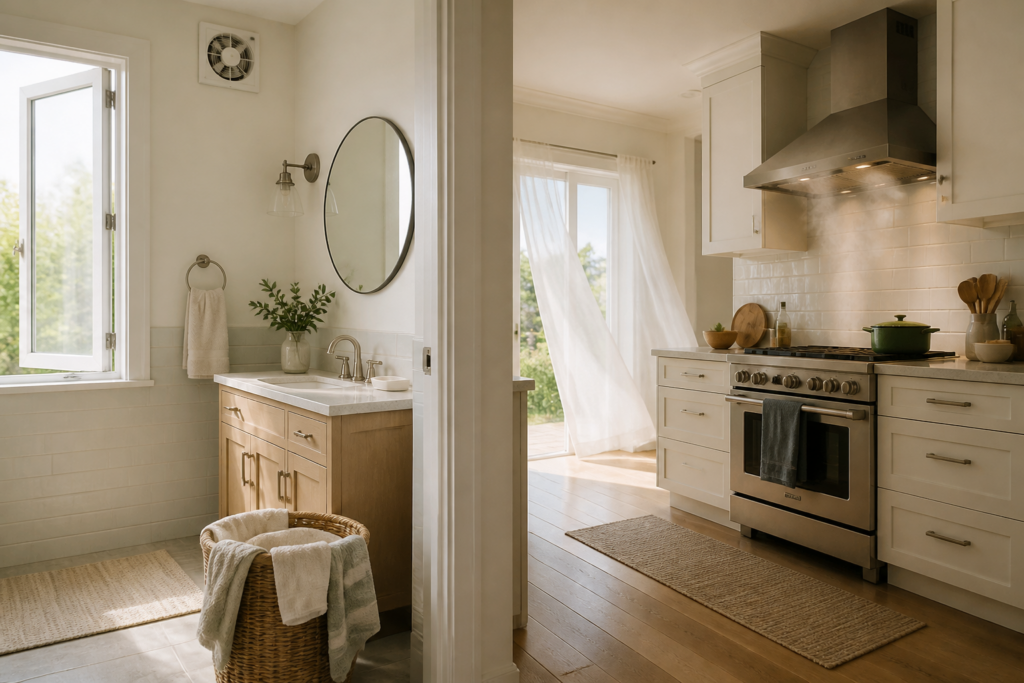
Good airflow is one of the simplest natural air freshener alternatives. When outdoor air quality, temperature, and security conditions allow, open windows on opposite sides of the home for a short period to encourage cross-ventilation. Even a brief exchange of indoor and outdoor air can help remove cooking smells and stale air.
Use kitchen exhaust fans while cooking and leave them running for a while afterward. Bathroom fans should also operate during showers and for some time after bathing. These habits help move humid air outside instead of allowing it to settle on walls, ceilings, towels, and other surfaces.
Moisture is a major contributor to musty smells. Dry wet towels promptly, repair dripping faucets, and avoid leaving damp laundry in a washer for long periods. Check under sinks, around windows, near appliances, and in basements or closets for condensation or leaks.
A persistent musty odor deserves more investigation. It may indicate damp building materials, hidden water damage, or mold growth. If you notice recurring smells, visible mold, water stains, or ongoing moisture, address the underlying maintenance issue rather than relying on deodorizing products. Larger moisture or mold problems may require a qualified professional.
Use Natural Odor Eliminators Around the Home
Baking Soda
Baking soda is a convenient option for absorbing many mild household odors. Place an open container in the refrigerator, pantry, closet, or near a smelly waste bin. A small amount can also be sprinkled on dry carpets or rugs before vacuuming, provided the material and vacuum manufacturer allow it. Let it sit for a reasonable period, then remove it thoroughly.
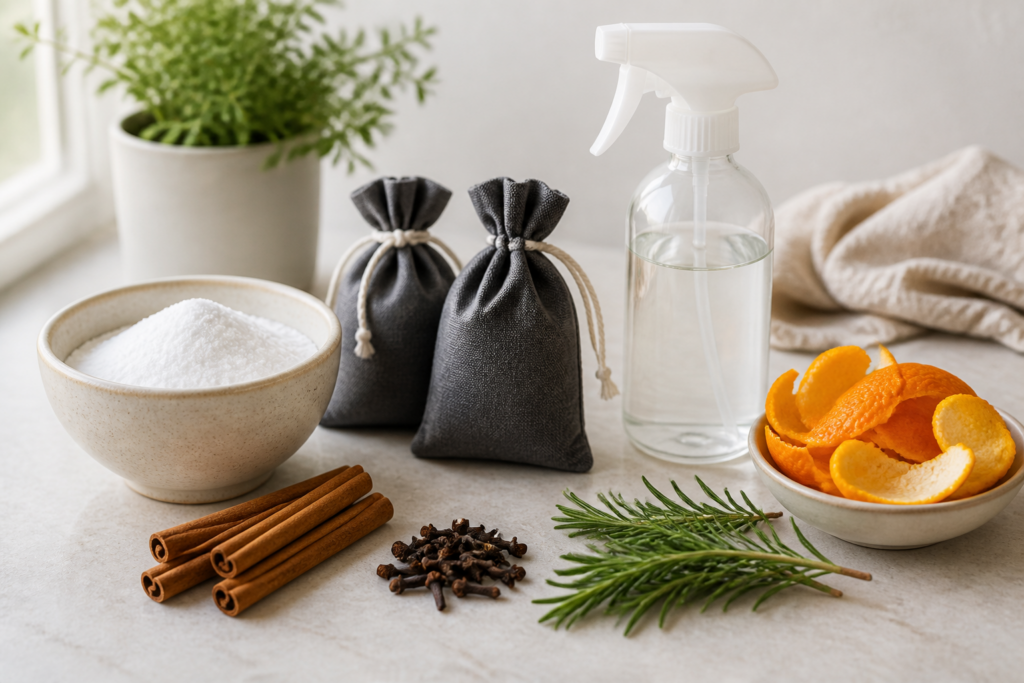
You can use baking soda in shoes, gym bags, and other odor-prone items by placing it in a breathable pouch or an open container. Avoid scattering powder where children or pets could easily inhale or ingest it. For refrigerators and bins, replace the baking soda when it becomes soiled or no longer seems effective rather than expecting one container to work indefinitely.
White Vinegar
Diluted white vinegar can help clean suitable washable surfaces and neutralize some odors. A simple solution of vinegar and water may be useful for certain countertops, sinks, washable bins, and other compatible surfaces. Always check the care instructions and test the solution in a small, less visible area first.
Vinegar has a noticeable smell of its own, but that scent usually becomes less apparent as the liquid dries. It is better viewed as a cleaning and odor-neutralizing aid than as a traditional air freshener.
Never mix vinegar with bleach. Combining them can produce dangerous chlorine gas. Store cleaning ingredients safely, label homemade solutions clearly, and keep them away from children and pets.
Activated Charcoal
Activated charcoal bags or containers can be useful in enclosed spaces such as closets, bathrooms, cars, entryway cabinets, and laundry areas. Unlike a scented product, charcoal does not add another fragrance. It works by trapping certain odor molecules on its porous surface.
Follow the product instructions for placement and refreshing. Some charcoal products can be reactivated in sunlight, while others are designed to be replaced after a specified period. Keep charcoal contained so that pets and young children cannot chew or scatter it.
Natural Scents
Once odor sources have been dealt with, you can add a light natural scent if you enjoy fragrance. Simmering citrus peels, cinnamon sticks, cloves, rosemary, or other herbs in water can make a kitchen smell pleasant for a short time. Use low heat, keep the pot attended, and add water as needed so it does not boil dry.
Dried flowers, herbs, cedar, and other naturally scented wood products are additional low-waste choices for drawers, closets, and small rooms. These options provide fragrance but do not replace cleaning, ventilation, or moisture control. If anyone in the household is sensitive to fragrance, use little or none.
Freshen Specific Rooms Naturally
Kitchen
The kitchen often contains several sources of odor at once. Wipe food residue from counters, cabinet handles, stovetops, and the area around the refrigerator. Check produce regularly and clean spills inside the refrigerator before they become established smells.
Wash the garbage disposal splash guard and surrounding sink area. If your disposal manufacturer provides cleaning instructions, follow them rather than relying on random ingredients. Empty the trash before it becomes full, rinse the container when needed, and let it dry completely.
Sponges, dishcloths, and reusable cleaning cloths should be cleaned and dried regularly. Ventilate while cooking, particularly when frying, roasting, or preparing strongly scented foods. A clean range hood filter can also help the ventilation system work more effectively.
Bathroom
Bathrooms stay fresher when they dry quickly. Run the exhaust fan during and after showers, spread out towels so they can dry, and wash bath mats regularly. Clean the toilet area, sink overflow, shower walls, and other damp surfaces as part of your normal routine.
Drains can collect hair, soap residue, and organic material that contribute to unpleasant smells. Remove visible buildup and use a drain-cleaning method appropriate for your plumbing. Do not combine different commercial or homemade drain products.
Wash or replace a shower curtain liner when it develops persistent buildup. Keep the room ventilated and investigate smells that return quickly after cleaning, especially if there are signs of a leak or moisture behind walls.
Bedroom and Living Areas
Soft materials can hold onto sweat, smoke, cooking smells, and pet odors. Wash bedding on a regular schedule and air out blankets, pillows, and washable cushions when practical. Vacuum rugs, carpets, upholstered furniture, and along baseboards, where dust and debris often collect.
Open closets occasionally to improve airflow, and avoid packing damp clothing or shoes into closed storage. If a sofa, rug, or curtain continues to smell after cleaning, check whether the odor comes from the backing, padding, or floor underneath.
Smoke odors can be especially persistent. Source removal, ventilation, and cleaning washable fabrics are more effective than covering the smell with fragrance. Some materials may need specialized cleaning or replacement.
Pet Areas
Regular care is essential for controlling pet odors. Scoop litter boxes frequently, wash boxes according to the material’s care requirements, and clean crates, beds, blankets, and food bowls on a consistent schedule. Deal with accidents promptly using a cleaner suitable for the affected surface.
Place baking soda or activated charcoal near, but not directly inside, pet areas. Keep these materials where animals cannot spill, chew, or ingest them. Vacuum hair and dander from floors and furniture, and provide good airflow around sleeping and feeding areas.
Safety Tips for Natural Home Fragrance
Natural does not automatically mean harmless. Essential oils, concentrated botanical extracts, and even common cleaning ingredients can irritate skin, eyes, or airways when used improperly. People with asthma, allergies, migraines, or fragrance sensitivities may react to natural scents just as they may react to synthetic ones.
Use caution with essential oils around children and pets. Some oils can be particularly dangerous to animals, and safety varies by species, oil, concentration, and method of exposure. Never ingest essential oils or apply them to a pet unless you have specific guidance from a qualified medical or veterinary professional.
Keep simmering pots attended, test cleaning solutions on inconspicuous areas, and store all ingredients in clearly labeled containers. Avoid placing powders, oils, or small botanical items where young children or pets can reach them. If a product causes irritation, stop using it and ventilate the area.
Create a Simple Maintenance Routine
A regular routine is more effective than trying to fix every odor at once. Adjust the schedule to suit your household, but consider these weekly habits:
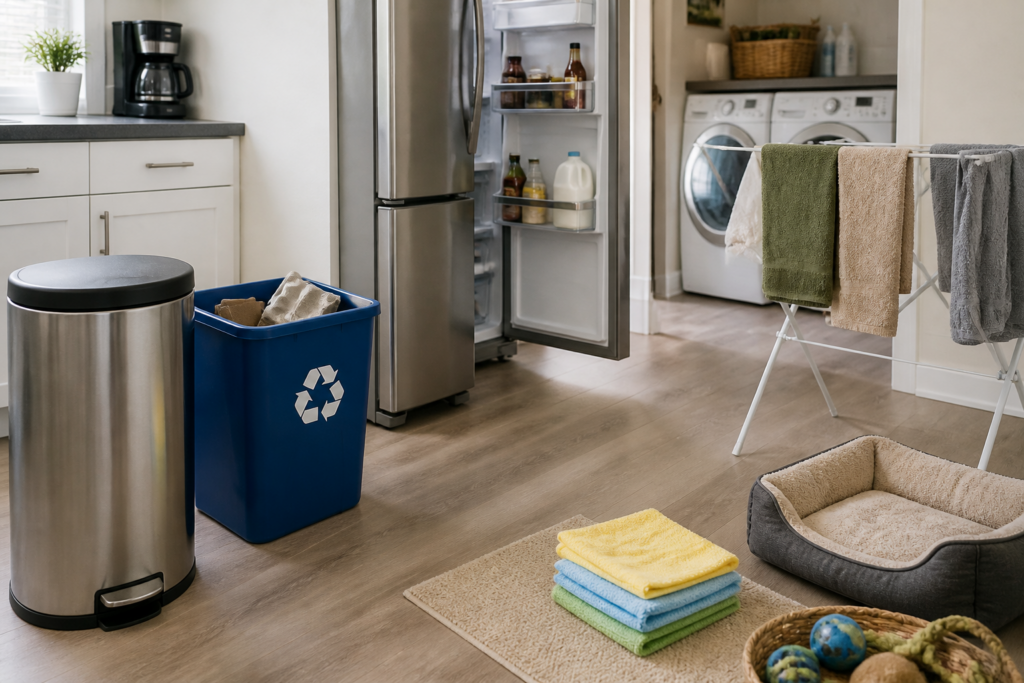
- Empty trash and recycling containers before odors become strong.
- Wash towels, bedding, pet fabrics, and cleaning cloths as needed.
- Ventilate kitchens, bathrooms, closets, and other enclosed areas.
- Vacuum floors, rugs, upholstery, and pet areas.
- Wipe damp surfaces and check for leaks or condensation.
- Inspect the refrigerator, pantry, and produce storage.
- Refresh or replace baking soda and activated charcoal according to their condition and product instructions.
When an odor returns repeatedly, investigate instead of simply adding more fragrance. A leaking pipe, damp carpet, dirty appliance seal, clogged drain, or hidden spill may be responsible. Keeping a short note of when and where the smell appears can help identify patterns.
Frequently Asked Questions
What is the most effective natural way to make a home smell good?
Remove odor sources first, improve ventilation, control moisture, and clean fabrics and surfaces regularly. After that, baking soda, activated charcoal, or a mild natural scent can help maintain a fresher environment.
How can I deodorize my home naturally without masking odors?
Clean the source, wash odor-holding fabrics, ventilate rooms, and address damp areas. Baking soda and activated charcoal can help absorb lingering smells without adding fragrance.
Does baking soda remove household odors?
Yes. Baking soda can help absorb many mild odors in refrigerators, carpets, bins, shoes, and other enclosed areas. It needs to be replaced or refreshed when it becomes dirty or stops working effectively.
Is vinegar safe to use as a natural air freshener?
Diluted white vinegar can help clean and neutralize odors on suitable surfaces, but it should not be used indiscriminately. Test surfaces first, follow care instructions, and never mix vinegar with bleach.
Are essential oils safe around children and pets?
Safety depends on the oil, concentration, ventilation, and the child’s or animal’s sensitivity. Use extra caution, avoid ingestion and direct application to pets, and consult reliable medical or veterinary guidance when in doubt.
How do I keep my home fresh if I have fragrance sensitivities?
Prioritize source removal, fresh air, moisture control, unscented cleaning, baking soda, and activated charcoal. You do not need added fragrance to maintain a clean, comfortable home.
What natural methods work best for pet odors?
Clean litter boxes, bedding, crates, bowls, and accident areas frequently. Wash fabrics, vacuum regularly, ventilate rooms, and use suitable odor absorbers such as baking soda or activated charcoal near—not inside—pet areas.
Why does my home still smell musty after cleaning?
Persistent musty odors may come from hidden moisture, leaks, damp materials, or mold. Look for condensation, water stains, and soft or discolored materials. If the problem continues, consider a professional inspection.
A fresh-smelling home comes primarily from removing odor sources, controlling moisture, ventilating regularly, and maintaining simple cleaning habits. With a few inexpensive supplies and consistent routines, natural odor control can be practical, low-waste, and suitable for many homes—without relying on commercial air fresheners.