
Can cats and dogs live together peacefully?
Yes, many cats and dogs can share a home peacefully. Some become close companions, while others simply learn to respect each other’s space. Both outcomes can be successful. A peaceful multi-pet household does not require a cat and dog to sleep together or play every day.
Compatibility depends on the individual animals rather than on a simple “cats versus dogs” rule. Temperament, age, previous experiences, energy level, health, training, and the dog’s prey drive can all affect the relationship. A confident cat may adapt well to a calm dog, while a nervous cat may struggle with an enthusiastic animal that constantly approaches. Likewise, a dog that has lived calmly with cats may be a safer match than a dog with a strong instinct to chase, regardless of breed.
The safest approach is to plan for a gradual introduction. Give each pet a secure area, manage their resources, supervise interactions, and allow trust to develop at the animals’ pace. Never assume that a friendly first meeting means the pets are ready to be left alone together.
What affects cat and dog compatibility?
Temperament and past experiences
Individual personality is one of the strongest factors in cat and dog compatibility. A relaxed, socially confident cat may tolerate a dog more easily than a fearful or easily startled cat. A dog that can respond to basic cues and settle calmly is generally easier to introduce than one that jumps, barks, lunges, or becomes fixated on small animals.
Past experiences matter, too. A pet that has previously lived comfortably with the other species may have an easier adjustment. However, previous success does not guarantee that every new relationship will work. A cat may have accepted one calm dog but react differently to a fast-moving puppy. A dog may have lived with an adult cat but chase a kitten because of its unpredictable movements.
Before bringing the animals together, consider whether either pet shows fear, anxiety, guarding, or aggression. If possible, ask a shelter, rescue organization, breeder, or foster caregiver about the animal’s behavior around other species. Honest information can help you choose a safer match and prepare your home.
Age, energy level, and prey drive
Energy levels can influence daily life more than size does. A quiet older cat may feel overwhelmed by a young dog that wants to play constantly. A playful cat may irritate a dog that prefers to rest. Puppies and kittens can also be challenging because they are curious, energetic, and still learning how to control their impulses.
Prey drive deserves special attention. Some dogs are strongly motivated to chase running animals, and a cat’s quick movement can trigger that response. A dog that stares intensely, stiffens, stalks, or repeatedly tries to pursue a cat may need careful management and professional guidance. Training can improve impulse control, but it should not be treated as a guarantee that the dog will always be safe with a cat.
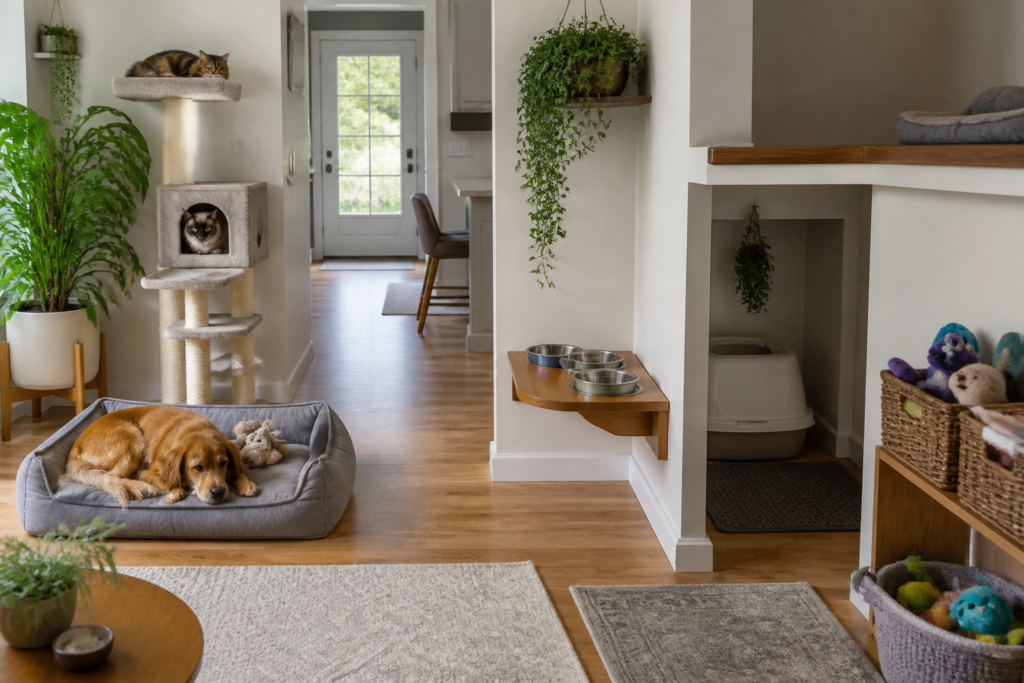
Calmer adult pets are often easier to match, although age alone does not determine success. A well-socialized young animal may adapt readily, while an older pet with pain or anxiety may need more support.
Breed and individual personality
Breed tendencies can provide general context, but they cannot predict the behavior of a particular dog or cat. Some dog breeds are commonly described as more likely to chase small animals, while others may be known for calmer or more companion-focused behavior. Even within the same breed, individuals can differ significantly.
Focus on the specific animal in front of you. Observe how the dog reacts to movement, whether it can disengage from exciting distractions, and how it responds to boundaries. For cats, consider confidence, adaptability, and whether they have safe ways to retreat. A careful assessment is more useful than relying on breed labels alone.
How to introduce a cat and dog safely
A safe cat and dog introduction should happen in stages. Rushing the process can create fear, chasing, or defensive behavior that becomes harder to change.
1. Prepare separate spaces
Before the pets meet, set up a secure area for each animal. The cat should have access to food, water, a litter box, scratching surfaces, resting areas, and elevated spaces where the dog cannot reach. The dog should have its own bed, water bowl, toys, and a place to relax.
Use doors, baby gates, exercise pens, or other secure barriers to keep the animals apart at first. Make sure the cat has escape routes and is never forced into a corner. Keep food and litter areas separate from the dog’s space. A dog that can reach the litter box or cat food may create additional tension and can develop unwanted habits.
2. Begin with scent swapping
Before face-to-face contact, allow each pet to become familiar with the other’s scent. Exchange bedding, towels, or toys between the areas. You can also rub a clean cloth gently over one pet’s cheeks or body and place it near the other pet’s resting area.
Watch each animal’s response. Mild curiosity is expected. If a pet becomes highly distressed, increase the distance and give it more time. Pairing the other animal’s scent with treats, meals, or calm attention can help create a positive association.
3. Allow closed-door acclimation
Let the cat and dog hear and smell one another through a closed door before allowing visual contact. Feed them on opposite sides of the door, starting far enough away that both can eat comfortably. Gradually move the bowls closer over several sessions if both animals remain relaxed.

Do not punish hissing, barking, or other signs of discomfort. These behaviors communicate that the animal needs more space. Instead, make the situation easier by increasing distance or ending the session.
4. Use a barrier for visual contact
Once both pets are comfortable near the closed door, introduce brief visual contact through a tall baby gate, screen, or another secure barrier. Keep the dog on a leash, but avoid using the leash to drag the dog toward the cat. Reward the dog for looking away, responding to its name, sitting, or remaining calm.
The cat should be free to approach or leave. Never carry the cat toward the dog or hold it in place for a closer look. A cat that cannot escape may become frightened and use defensive behaviors such as swatting or biting.
5. Move to supervised meetings
When both animals remain relaxed with the barrier, try short meetings in the same room. Keep the dog leashed and make sure the cat has elevated escape routes and access to a separate area. Have another adult present if possible.
Keep the first sessions brief and end them while both pets are calm. Reward gentle, relaxed behavior. If the dog starts staring, stiffening, pulling, barking, or trying to chase, calmly increase distance and return to an earlier stage. If the cat hides, growls, hisses continuously, or appears unable to settle, give it more space and time.
Never allow chasing, even if it appears playful. Chasing can frighten a cat and reinforce the dog’s pursuit behavior. Do not leave the pets together without supervision until you are confident that both can remain safe and relaxed.
How long does adjustment take?
There is no universal schedule for cats and dogs living together. Some animals become comfortable within days, while others need several weeks or months. The correct pace is determined by behavior, not by a calendar.
Look for steady signs of relaxation: normal eating and sleeping, ordinary litter-box use, loose body language, the ability to move away without panic, and the dog’s ability to disengage from the cat. Occasional cautious behavior is not necessarily a problem, but repeated fear or fixation means the process is moving too quickly.

Continue separating the pets whenever no responsible adult is present until trust has been established. Even animals that usually get along may react differently around food, toys, visitors, loud noises, or illness.
Signs of stress, fear, or aggression
Warning signs in cats
- Hiding for long periods or refusing to leave a safe area
- Flattened ears, a tense body, a puffed tail, hissing, or repeated swatting
- Loss of appetite, vomiting, or unusual changes in grooming
- Urinating or defecating outside the litter box
- Freezing, crouching, or showing persistent fear when the dog is nearby
A single hiss does not automatically mean the relationship is failing. Cats often use hissing to request distance. The concern is persistent distress, escalating defensive behavior, or changes in health and normal routines.
Warning signs in dogs
- Stiff posture, intense staring, stalking, or a closed, tense mouth
- Lunging, snapping, growling, barking, or repeated attempts to chase
- Inability to respond to its name or disengage from the cat
- Extreme excitement, trembling, or fixation when the cat moves
- Guarding food, toys, resting places, or people
A wagging tail does not always indicate friendliness. Dogs can wag when excited, tense, or conflicted, so assess the entire body and situation. If either pet appears overwhelmed, separate them calmly and give them time to recover.
Managing a shared home
Good household management helps prevent conflict after the introduction period.
- Separate feeding areas: Feed pets in different rooms or behind a barrier. Do not allow one animal to take food from the other’s bowl.
- Protected litter boxes: Place litter boxes where the cat can reach them easily but the dog cannot. Cats may avoid a box if they feel watched or trapped.
- Multiple resting spaces: Provide beds, hiding places, and elevated cat areas so each pet can relax without being disturbed.
- Careful toy management: Keep high-value chews and favorite toys separate if either pet guards resources.
- Reliable routines: Regular meal times, walks, play sessions, and quiet periods can reduce uncertainty.
- Ongoing supervision: Use doors, gates, crates, or separate rooms during busy household activities and whenever you cannot monitor the pets.
Give each animal individual attention. Separate playtime and one-on-one interaction can reduce competition and help both pets feel secure.
What to do if the cat and dog fight
Do not reach between fighting animals, grab collars with your hands, or place your body between them. You could be bitten or scratched, even by a normally gentle pet. Do not punish either animal after the incident, since punishment can increase fear and may make future encounters more dangerous.
Use a solid barrier, door, large piece of furniture, or another safe method to separate them. Once they are apart, allow both pets time to calm down. Check for injuries, including small punctures or scratches that may be difficult to see. Contact a veterinarian promptly if either animal has been injured.
Review what happened. Possible triggers include chasing, food, toys, confined spaces, sudden movements, or an overly intense greeting. Restart the introduction at an earlier stage and prevent access to the trigger. Repeated fights, serious injuries, or aggressive behavior require help from a veterinarian or a qualified animal behaviorist.
Can older cats and dogs learn to live together?
Older cats and dogs can adapt to living with the other species, but they may need slower introductions and more predictable routines. Senior pets may have less patience for noisy, energetic companions and may need quiet areas that remain off-limits to the younger animal.

Health issues can also affect behavior. Pain, arthritis, hearing loss, vision changes, cognitive decline, or other medical conditions may make a pet more easily startled or irritable. A veterinary examination is sensible when an older animal shows a sudden change in tolerance or behavior.
Frequently asked questions
Can cats and dogs live together peacefully?
Yes. Many can share a home safely, although peaceful coexistence does not always mean they will become close friends. Compatibility and careful management are more important than forcing interaction.
Which dogs tend to be more compatible with cats?
Dogs that are calm, responsive to cues, able to disengage from distractions, and not strongly motivated to chase are often easier matches. Individual behavior matters more than breed alone.
How can you tell whether a cat or dog is stressed?
Look for persistent hiding, appetite or litter-box changes, flattened ears, hissing, stiff posture, intense staring, lunging, barking, or chasing. Stress should be addressed by increasing distance and slowing the introduction.
When should you consult a veterinarian or animal behaviorist?
Seek professional advice after injuries, repeated fights, serious aggression, ongoing fear, major changes in eating or elimination, or when you cannot safely control the interactions. A veterinarian can also check for medical problems that may influence behavior.
Final thoughts
Cats and dogs can often live together when their individual personalities are assessed carefully and introductions are gradual. Start with separation, use scent and barrier work, reward calm behavior, and protect each pet’s access to food, rest, litter, and escape routes.
The goal is not to make every cat and dog become inseparable. A safe, predictable home where both animals can relax is a successful outcome. With patience, supervision, and professional support when needed, many households can help their cats and dogs develop a comfortable and respectful relationship.