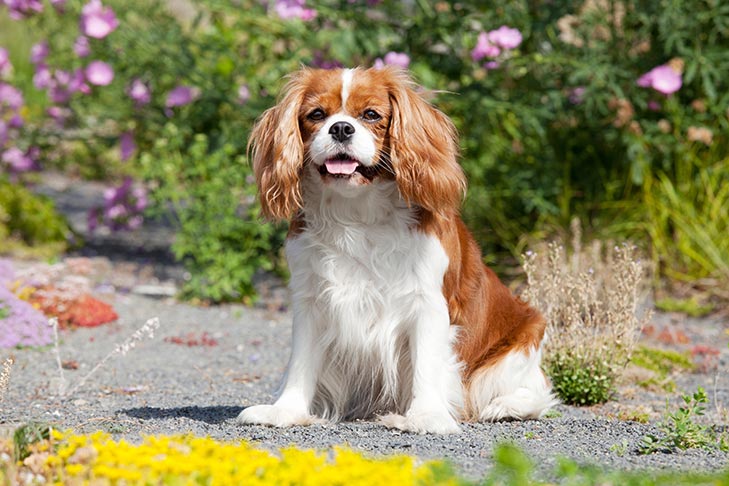
Welcoming a dog into your life is an extraordinary milestone. Dogs offer unmatched companionship, loyalty, and daily joy, but for a new pet parent, the sheer number of responsibilities can feel overwhelming. From establishing house-training routines to managing energy levels and grooming schedules, the early months of dog ownership involve a steep learning curve. The key to a smooth, successful transition lies in selecting a breed whose natural traits align with your experience level, schedule, and living situation.
While every dog is an individual shaped by training and environment, breed genetics play a significant role in determining temperament, energy, and trainability. Choosing among the best dog breeds for first-time owners significantly reduces common frustrations like destructive chewing, excessive barking, or leash reactivity. By prioritizing manageable, forgiving breeds, novice owners can focus on building a strong, positive bond with their new companion.
What Makes a Dog Breed Ideal for Beginners?
Not all dogs require the same level of handling skill. High-drive working breeds, independent livestock guardians, and intense herding dogs often require precise timing, advanced behavior management, and extensive daily output. For someone who has never raised a dog, these breeds can quickly become overwhelming. Ideal starter dog breeds share several crucial characteristics that make daily care and training far more manageable.
- Forgiving Temperaments: First-time owners will inevitably make minor mistakes during training, such as inconsistent timing with rewards or misreading body language. Breeds with forgiving, stable temperaments bounce back easily from these missteps without developing anxiety or stubborn behaviors.
- High Trainability and Eagerness to Please: Breeds naturally inclined to work cooperatively with humans pick up basic obedience quickly. They respond well to positive reinforcement, making housebreaking, crate training, and basic manners straightforward.
- Adaptability: A great beginner dog adapts well to changing daily schedules, travel, and novel environments without suffering from extreme stress or reactivity.
- Manageable Energy and Maintenance: Dogs with moderate activity needs are easier to satisfy with daily walks and routine play sessions. Additionally, predictable grooming requirements help new owners manage weekly pet care costs and time commitments.
Top Beginner-Friendly Dog Breeds
The following breeds consistently rank among the best dogs for beginners due to their gentle temperaments, strong desire for human partnership, and general ease of integration into family life.
Golden Retriever and Labrador Retriever: Friendly and Eager to Please
It is no surprise that Golden Retrievers and Labrador Retrievers remain among the most popular companion dogs worldwide. Both breeds are legendary for their patient, outgoing, and affectionate nature. They possess an innate desire to work alongside humans, which translates to high trainability and enthusiasm for obedience exercises.
Personality and Behavior: Labradors and Goldens are naturally social animals that generally greet strangers, children, and other pets with warmth. Their forgiving nature makes them extraordinarily patient with family life and the inevitable learning curve of a beginner trainer.
Care and Exercise Needs: While highly cooperative, these are athletic sporting breeds. They require around 45 to 60 minutes of active exercise daily, such as brisk walks, games of fetch, or swimming. Their double coats shed seasonally and require weekly brushing, with daily brushing needed during peak shedding periods.
Why They Fit First-Time Owners: Their high intelligence combined with an eager-to-please attitude means basic commands and house rules are learned quickly. They are ideal for active individuals or families seeking a responsive, friendly partner.
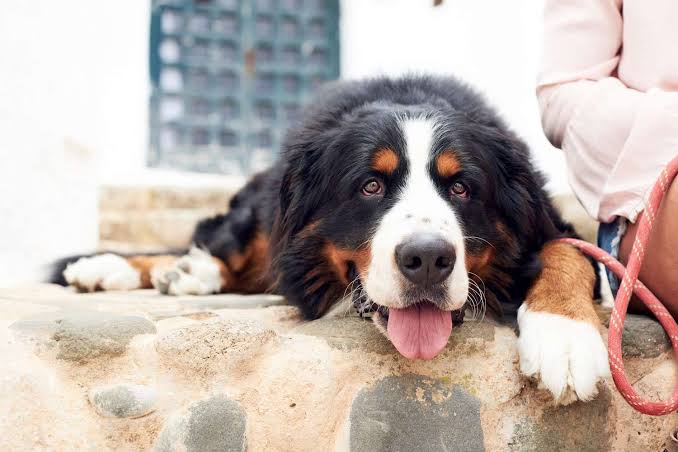
Cavalier King Charles Spaniel: Gentle and Adaptable Companion
For those seeking a smaller companion with a calm, affectionate disposition, the Cavalier King Charles Spaniel is one of the most reliable easy dog breeds available. Combining the gentle nature of a toy breed with the subtle athletic heritage of a spaniel, the Cavalier offers a balanced, low-stress pet experience.
Personality and Behavior: Cavaliers are famously affectionate and thrive on human interaction. They are quiet indoors, rarely prone to nuisance barking, and naturally polite toward visitors and other animals. They adjust their energy level to match their household, gladly lounging on the couch or going for a stroll in the park.
Care and Exercise Needs: Their physical requirements are modest, needing roughly 30 minutes of daily exercise to stay healthy. Their silky coat requires regular combing two to three times a week to prevent tangles and mats, particularly around the ears and legs, but they do not require complex body trimming.
Why They Fit First-Time Owners: Cavaliers are soft-tempered and eager to earn approval, meaning harsh correction is never needed—gentle, positive guidance is all it takes. Their small size makes them easy to physically handle, and their adaptable nature suits both houses and apartments.
Poodle (Standard, Miniature, Toy): Smart, Low-Shedding, and Versatile
Available in three distinct size categories, the Poodle is one of the most versatile and intelligent canine companions. Beneath their refined appearance lies a hardy, athletic, and deeply loyal dog capable of excelling in basic obedience, agility, and family life.
Personality and Behavior: Poodles rank among the most intelligent dog breeds in the world. They absorb training rapidly, often understanding new commands after just a few repetitions. They are social, playful, and deeply attached to their families, though Toy and Miniature varieties can be slightly more sensitive to noisy environments than the sturdy Standard Poodle.
Care and Exercise Needs: Poodles have single coats of dense, curly hair that continuously grows rather than shedding traditional fur. While this makes them ideal for owners seeking a low-dander pet, they require professional grooming every six to eight weeks along with regular home brushing. Exercise needs vary by size, but all Poodles require mental stimulation, such as puzzle toys, alongside daily walks.
Why They Fit First-Time Owners: The Poodle’s exceptional trainability makes housebreaking and command learning almost effortless. First-time owners can choose the exact size—Standard (large), Miniature (medium), or Toy (small)—that best fits their living space and lifestyle.
Boston Terrier and French Bulldog: Low-Energy and Apartment-Friendly
For urban dwellers, apartment residents, or busy professionals, high-energy working dogs are often impractical. The Boston Terrier and French Bulldog offer charismatic, companion-focused personalities wrapped in compact, low-maintenance packages.
Personality and Behavior: Both breeds are known for their entertaining, cheerful, and affectionate personalities. Boston Terriers tend to be slightly more agile and playful, often dubbed “the American Gentleman” for their quiet dignity and tuxedo-like markings. French Bulldogs are relaxed, sturdy, and content to spend much of the day snoring softly by your side.
Care and Exercise Needs: These flat-faced (brachycephalic) breeds have low energy requirements. Short daily walks and brief indoor play sessions are sufficient to keep them fit. Care must be taken in hot or humid weather, as they can overheat quickly. Their short, single coats require minimal grooming beyond occasional baths and regular facial wrinkle cleaning.
Why They Fit First-Time Owners: Their low exercise demands and quiet indoor demeanors make them outstanding choices for owners who cannot dedicate hours every day to rigorous exercise routines. They are easy to manage on a leash and adapt comfortably to smaller living spaces.
Greyhound: Quiet, Calm, and Low-Maintenance
While widely recognized for their speed on the track, retired racing Greyhounds and purpose-bred pet Greyhounds are surprisingly some of the most serene, low-maintenance dogs for beginners.
Personality and Behavior: Despite their athletic build, Greyhounds are quiet, sensitive, and notoriously lazy indoors. Often referred to as “45-mile-per-hour couch potatoes,” they spend the vast majority of the day sleeping quietly on a soft bed. They are polite, gentle, and rarely bark.
Care and Exercise Needs: Contrary to popular belief, Greyhounds do not require miles of daily running. A couple of 20-to-30-minute walks per day, along with an occasional sprint in a securely fenced area, fulfill their athletic needs. Their paper-thin, short coat sheds minimally and requires almost no specialized grooming.
Why They Fit First-Time Owners: Greyhounds are gentle on the leash, docile around humans, and clean in the home. For owners who want a larger dog without the demanding exercise schedules of working breeds, the Greyhound is an exceptionally easygoing choice.
Small vs. Large Breeds: Which Is Right for a First-Time Owner?
When searching for first-time dog owner breeds, prospective parents often assume that smaller dogs are inherently easier to care for than larger ones. However, size is only one factor in determining how manageable a dog will be in daily life.
It is true that small dogs offer practical physical advantages. They consume less food, require lower medication doses at the veterinarian, are easier to lift in emergencies, and take up minimal space in cars and apartments. However, physical size does not dictate temperament. Many small breeds, such as Jack Russell Terriers or Dachshunds, possess fiery personalities, strong prey drives, and high tendencies toward vocalization. They can also be more challenging to housebreak due to smaller bladder capacities.
Conversely, large breeds like Greyhounds or Golden Retrievers require larger equipment, more substantial food budgets, and greater physical management if they pull on the leash. Yet, their steady, forgiving, and calm temperaments often make them significantly easier for a beginner to handle than a high-strung small dog.
First-time owners should focus primarily on energy levels, trainability, and temperament rather than body weight alone. A calm 60-pound dog with strong eagerness to please will always be easier to live with than an independent, high-energy 12-pound dog that resists training.
Key Mistakes First-Time Dog Owners Should Avoid
Even when selecting a beginner-friendly breed, first-time owners frequently stumble into common pitfalls that create unnecessary stress. Avoiding these common mistakes ensures a smoother transition for both you and your dog.
- Choosing Based Solely on Appearance or Trends: Selecting a dog based on how it looks, or because a specific breed is popular on social media, is one of the most common mistakes beginners make. Breeds like Siberian Huskies, Australian Shepherds, and Belgian Malinois are visually striking, but their intense working drives and high energy levels often overwhelm inexperienced handlers.
- Misjudging Personal Activity Levels: It is easy to assume that getting an active dog will instantly transform your personal fitness habits. In reality, matching a high-drive dog to a sedentary lifestyle leads to under-exercised, frustrated pets that display destructive chewing, digging, or excessive barking. Honesty about your actual routine is essential.
- Neglecting Early Socialization and Consistent Training: Friendly, eager-to-please breeds still require structured training and early exposure to novel environments, dogs, and people. Assuming a “good breed” will automatically train itself leads to poor leash manners, jumpy behavior, and lack of recall.
- Underestimating Ongoing Costs: Beyond the initial purchase or adoption fee, dogs require routine veterinary care, parasite prevention, quality nutrition, grooming, training classes, and essential gear. Planning for these costs beforehand prevents financial strain down the road.
Frequently Asked Questions
What key traits make a dog breed suitable for a first-time owner?
An ideal breed for beginners features a forgiving, stable temperament, moderate energy levels, and a strong eagerness to please. High trainability helps offset minor handling mistakes, while manageable grooming requirements prevent new owners from feeling overwhelmed by daily physical maintenance.
Which dog breeds are the easiest to train for beginners?
Golden Retrievers, Labrador Retrievers, Poodles, and Papillons are widely regarded as the easiest breeds to train. Their high intelligence combined with an innate desire for human partnership allows them to pick up household rules and obedience commands rapidly.
What are the best low-maintenance dog breeds for new owners?
For low exercise and physical maintenance, Boston Terriers, French Bulldogs, and Greyhounds are excellent options. For minimal shedding paired with high trainability, Miniature or Toy Poodles are exceptional choices, though they do require periodic professional hair clipping.
Are small or large dog breeds better for first-time owners?
Neither size is universally superior; the right choice depends on your daily environment and budget. Small dogs are physically easier to manage and less expensive to feed, but large breeds often possess calmer, more forgiving temperaments. Energy levels and disposition matter far more than physical weight.
What common mistakes should first-time owners avoid when selecting a breed?
The most common errors include choosing a dog purely based on physical appearance, overestimating personal daily energy levels, neglecting early socialization, and ignoring the long-term financial commitment required for proper veterinary care and grooming.
Conclusion
Bringing your first dog home is the beginning of a deeply rewarding relationship. By selecting a breed known for an adaptable temperament, manageable energy, and a cooperative spirit, you set yourself and your new companion up for a lifetime of success. Remember that while breed tendencies offer a reliable roadmap, consistent positive reinforcement, clear boundaries, and genuine affection are what truly transform a beginner-friendly dog into an extraordinary lifelong companion.